
The 1970s Singer-Songwriter Era Was Not One Sound
The 1970s are often described as the golden age of the singer-songwriter, but that phrase flattens what was actually a wide and evolving landscape. Some artists leaned into stripped acoustic intimacy where the guitar and voice carried nearly everything, others built richer studio arrangements around deeply personal writing, and a few blurred the line between songwriter, bandleader, and producer without losing that sense of individual voice. If you are building out this section of your vinyl collection, it helps to compare records side by side instead of chasing a single hit, because the differences are where the era becomes interesting.
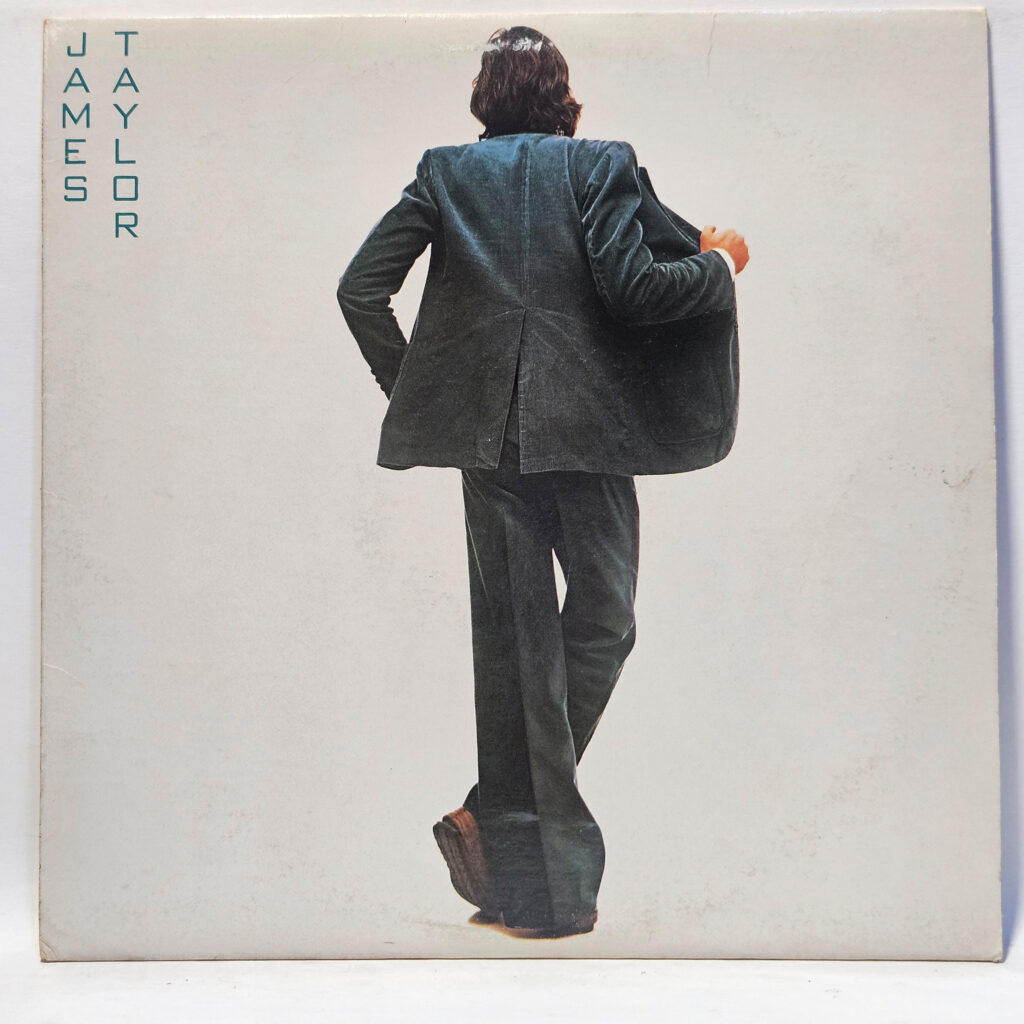
Take James Taylor – Flag (1979), which reflects the more polished end of the decade. By the late seventies the production had grown smoother, the performances felt confident and measured, and the songwriting carried reflection rather than rawness. When you place that next to James Lee Stanley – Three’s The Charm (1974), the shift becomes clear. Stanley’s record leans further into mid-decade acoustic texture and a smaller label sensibility, where the songwriting sits right up front and the intimacy feels less managed and more immediate. Both are firmly within the singer-songwriter tradition, yet the listening experience is different enough that owning both deepens your understanding of the period.
The lane also had room for grit. Joe Cocker – Joe Cocker (1972) sits on the edge of singer-songwriter and blues rock, his delivery rougher and more exposed, backed by stronger band arrangements that push the emotional weight forward. When you follow that with Jud Strunk – Daisy A Day (1973), the contrast sharpens again. Strunk’s storytelling leans into melody and narrative clarity, where the song itself carries the atmosphere rather than the force of performance. Hearing those two records in sequence shows how flexible the term singer-songwriter really was during the decade.
There were also artists who carried that personal songwriting ethos directly into mainstream pop. Ringo Starr – Ringo (1973) might sit comfortably in a rock or pop bin, yet it reflects the same songwriter-first mentality that defined the era. The arrangements are layered and accessible, but the personality remains central. In a different direction, Elton John – Friends (Original Soundtrack Recording) (1971) shows how songwriting intersected with film scoring without losing melodic identity. Even within a soundtrack framework, the structure and emotional tone are built around the strength of the composition.
And then there are records that stretch the boundaries even further. Eumir Deodato – 2001 (1977) and Whirlwinds (1974) incorporate jazz arrangements and orchestration that expand what a songwriter-driven record could sound like. These albums are less about a lone voice and more about composition, texture, and arrangement, yet they sit comfortably within the broader culture of seventies authorship. Comparing them to a quieter acoustic record reveals just how much room the era allowed for experimentation without abandoning melody.
If you are starting to build this part of your collection, it often makes sense to choose across the spectrum rather than stack similar titles. A polished late-decade release, a more intimate mid-decade acoustic album, a blues-inflected outlier, and a jazz-leaning arrangement piece together create a fuller picture of what the seventies actually sounded like. Condition matters here because many of these records rely on subtle dynamics and vocal clarity, and surface noise has a way of intruding on quiet passages. A clean pressing preserves the room tone, the phrasing, and the sense of space that makes these albums worth returning to.
Many of the titles mentioned above are currently available in our shop, and each one reflects a different facet of the singer-songwriter tradition. Explore them, compare them, and your collection will grow with intention. The more you listen across styles, the more the connections reveal themselves, and the era begins to feel less like nostalgia and more like a living body of work.

Leave a Reply
You must be logged in to post a comment.