
Yacht Rock Was Built in the Studio
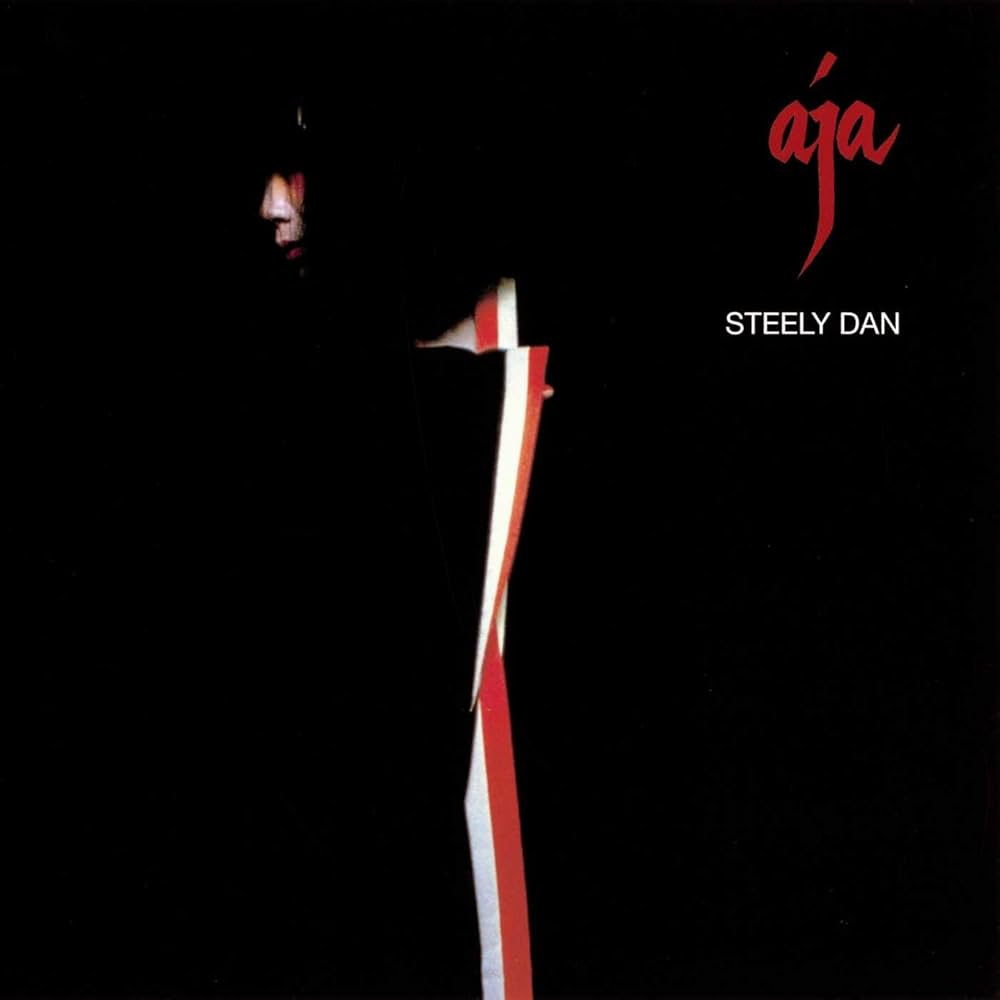
Long before “yacht rock” became a punchline, it was a studio discipline. The smoothness people associate with the sound was not softness, it was control. Arrangement control. Mic placement control. Rhythm section precision. If Steely Dan represents the apex of that approach, they are less a band than a philosophy, one built around rotating session players, harmonic sophistication, and obsessive production standards. And that philosophy quietly radiated outward into dozens of records that now sit, sometimes overlooked, in used bins everywhere.
Once you begin listening for it, you hear the same DNA in albums like James Taylor – Flag (1979), where the rhythm section never crowds the vocal and the bass remains articulate without swelling, or Elton John – Friends (Original Soundtrack Recording) (1971), where orchestration and pop songwriting intersect with studio restraint rather than bombast. These records are not loud in spirit, they are layered.
The Jazz Muscle Beneath the Surface
What made Steely Dan unique was not simply songwriting, it was their willingness to recruit players with deep jazz instincts and then demand precision from them. That cross-pollination is why so many “soft rock” albums of the 1970s carry harmonic weight that casual listeners do not immediately notice. The musicians understood voicings, space, and timing in ways that came directly from jazz sessions.
You can hear similar muscle in records that sit slightly outside the yacht label but share its studio clarity. Blue Mitchell – Bring It Home To Me (1967) may predate the full West Coast polish era, yet its horn balance and rhythmic pocket anticipate the refinement that later crossed into pop production. Likewise, Grant Green – The Final Comedown (1972) leans cinematic and groove-driven, showing how jazz players adapted to studio environments that prized clarity and separation.
The Role of Arrangement
Arrangement is the secret weapon of yacht rock. Backing vocals are not stacked randomly. Horn stabs do not drift. Even the quietest passages are placed with intention. When you move between records like Ringo Starr – Ringo (1973) and something more introspective such as James Lee Stanley – Three’s The Charm (1974), you notice that the difference is not seriousness but scale. The larger studio efforts expand outward with session precision, while smaller label releases keep that discipline on a more intimate canvas.
This is why these records reward careful listening. The hi-hat articulation sits slightly behind the vocal. The bass walks without bleeding. Electric piano chords shimmer without overwhelming the stereo image. That is not accident. That is engineering.
Why Vinyl Matters for This Sound
Layered production lives or dies by clarity. On records shaped by session precision, subtle groove wear can blur separation and collapse depth. A clean pressing preserves air between instruments and keeps backing harmonies from smearing into midrange haze. That matters more on these albums than on louder, more compressed rock recordings where density masks imperfection.
Albums like Joe Cocker – Joe Cocker (1972) sit on the edge between grit and polish, revealing how production choices shape emotional impact. When the pressing is strong, the contrast between rough vocal texture and controlled instrumentation becomes more dramatic, not less.
The Ecosystem, Not the Joke
Reducing yacht rock to nostalgia misses the point. The sound emerged from a network of players, arrangers, engineers, and producers who treated pop structures with jazz-level discipline. Steely Dan simply made that discipline visible. The surrounding records absorbed it quietly. If you build a shelf around studio craftsmanship rather than genre labels, the connections become obvious. The through line is precision. The through line is balance. The through line is intention. Once you hear that, these records stop being soft rock and start being masterclasses in arrangement.
Explore the titles above and listen across them, not as isolated hits, but as pieces of a shared studio language. The common thread is not smoothness. It is control.

Leave a Reply
You must be logged in to post a comment.