
Blue Note Is Not One Tier of Collecting
Blue Note collecting is not a single lane, it is a spectrum. At one end you have foundational hard bop sessions that define the label’s identity. At the other, you find later period releases, soundtrack experiments, spiritual detours, and budget friendly catalog pieces that still carry the Blue Note engineering signature. Looking at several Blue Note titles side by side makes it clear that the label’s strength was not hype, it was consistency.
The Hard Bop Foundation
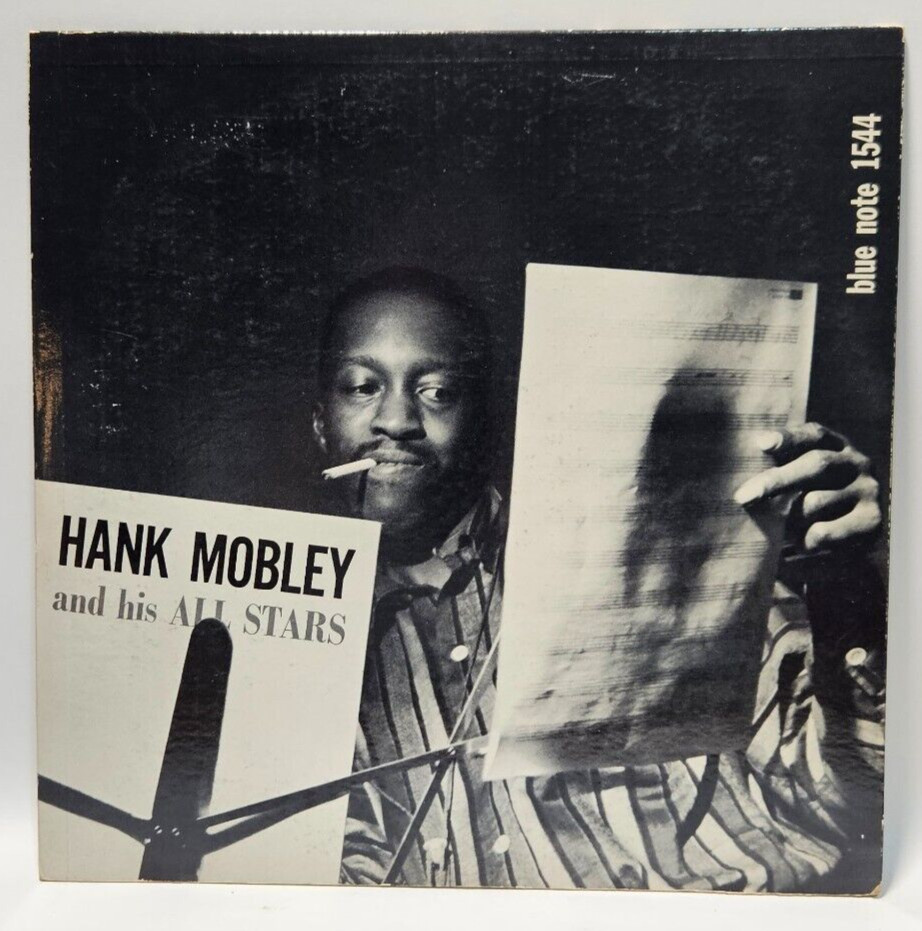
At the center of any serious Blue Note shelf sits something like Hank Mobley And His All Stars (1957). With Art Blakey, Hank Mobley, Milt Jackson, Horace Silver, and Doug Watkins in one session, this is not casual background jazz. It is a statement recording from the period when Blue Note was helping define modern hard bop language. Even in VG condition, these early pressings carry weight because the lineup alone anchors the label’s identity. Records at this level are less about casual listening and more about owning a piece of the architecture.
That architectural seriousness continues with Bobby Hutcherson – Dialogue (1965). Hutcherson’s vibraphone pushes the label into more exploratory territory while still staying rooted in the rhythmic discipline that made Blue Note distinctive. An EX copy of a 1965 Blue Note is not just a listening experience, it is a preservation of mid-60s studio craft.
The Strong Middle: Prime Era Blue Note
Not every Blue Note needs to sit in four figure territory to matter. Blue Mitchell – Bring It Home To Me (1967) shows how late 60s Blue Note sessions balanced groove with melodic accessibility. These are records that still feel tight, still feel intentional, but sit at a more approachable collector tier. In EX condition, the clarity of horns and rhythm section interplay remains intact, which is essential for appreciating why Blue Note sessions from this era are so often recommended as entry points.
Similarly, Grant Green – The Final Comedown (1972) moves into soundtrack territory while maintaining the label’s recognizable sonic footprint. By the early 70s the sound had shifted slightly, broader textures, more cinematic pacing, but the underlying discipline remained. A Mint copy preserves the top end sparkle and bass depth that make these sessions more immersive than many contemporary soundtrack releases.
Exploratory and Later Period Blue Note
Blue Note was never frozen in one sound. Wayne Shorter – Moto Grosso Feio (1974) reflects a different phase of the label, more spacious, more open harmonically, and less rigidly hard bop. Even in G+ condition, records like this illustrate how the label evolved rather than stagnated. They are often overlooked compared to earlier sessions, which makes them interesting shelf additions for collectors who want depth beyond the obvious.
Paul Horn – In India (1975) sits even further outside the core hard bop narrative. It blends spiritual and world influences with the Blue Note imprint. A VG+ copy still delivers the atmosphere and recording character that define the label’s broader ambitions in the mid-70s.
Catalog Pieces and Gateway Pressings
Even compilation and later catalog releases play a role. Blue Note Gems Of Jazz – Limited Edition (1960) serves as a compact introduction to the label’s core sound. These types of releases often provide access points for newer collectors who want to understand the label’s character before pursuing higher tier sessions.
And then there are titles like Kenny Burrell – Kenny Burrell (1973), where condition may not place it in premium territory, but the association with Blue Note still carries meaning. Not every Blue Note is about price escalation. Some are about filling out the narrative and understanding how the label’s sound extended across decades.
Building a Blue Note Shelf Intentionally
A serious Blue Note collection does not mean stacking only the most expensive pressings. It means understanding the label’s phases. Early hard bop foundation. Mid 60s expansion. Late 60s groove and refinement. 70s exploration. When you compare titles across those phases, the consistency becomes clear. Tight rhythm sections. Clear horn placement. A recording approach that favored balance over excess.
Condition matters here more than on many jazz labels. Blue Note sessions rely on nuance. Cymbal decay, bass articulation, vibraphone resonance. Surface noise erodes that quickly. Choosing stronger copies preserves what made the label distinct in the first place.
Browse the Blue Note titles currently available in our catalog and compare across tiers. Whether you start with a foundational hard bop session or a later exploratory release, the connective thread is the same. Blue Note built a sound that still holds together decades later, and assembling that spine thoughtfully turns individual records into a cohesive shelf.
