Alfonso Velez - Biography & Vinyl Records | SRO Records SRO Records
Austin, Texas US    New & Used Vinyl    30-Day Return Guarantee
Contact Us    Fast, Secure International Shipping

Artist

Friday, March 20, 2026

Explore More Artists

A B C D E F G H I J K L M N O P Q R S T U V W X Y Z #
Alfonso Velez

Alfonso Velez

Alfonso Vélez Iturrino, nacido el 30 de septiembre de 1939 en Añasco, Puerto Rico, se destacó en el panorama musical puertorriqueño a partir de 1973, cuando lanzó su icónica canción “La luz”. Este tema, que incorpora elementos del folklore boricua y un toque humorístico, relata las desventuras de un hombre cuya vela se apaga cada vez que sopla el viento. La famosa exclamación “fua” se convirtió en una expresión popular y la canción alcanzó el primer lugar en las listas de éxitos de la temporada navideña. Además, fue adoptada por el famoso gato de Wapa Televisión para promociones y sirvió como título de la célebre obra de Carlos Ferrari, “Puerto Rico fua”, un año más tarde.

Sin embargo, el camino hacia la fama de Alfonso Vélez no fue fácil. Criado en un entorno familiar modesto tras la ausencia de su madre durante su infancia, se formó junto a su padre y sus cuatro hermanos. En la Puerto Rico rural de la década de 1950, trabajó desde joven limpiando zapatos, vendiendo pasteles, cortando caña y arando campos.

Su incursión en la música comenzó a los 13 años en el barrio Miraflores de Añasco, donde se interesó por la trova jíbara. Cuatro años más tarde, se trasladó a Nueva York, donde se desempeñó en diversos trabajos para inmigrantes puertorriqueños, como lavar platos y sembrar cebollas, al mismo tiempo que asistía a un centro vocacional. Con sus ahorros, grabó sus primeros discos y amplió su repertorio para incluir géneros como la balada y el bolero.

Antes de alcanzar el estrellato con “La luz”, Alfonso ya había producido seis discos de larga duración, mostrando su sentido del humor y su aguda observación a través de géneros como el bolero, la guaracha y el merengue. Su debut discográfico se produjo en 1961 con Yomo Toro, interpretando “La ingrata que se fue”. Al año siguiente, “Mi humilde carta” se convertiría en su primer gran éxito en la radio hispana.

En su primera etapa, Alfonso también grabó románticas como “Cualquiera diría” y “Recordatorio”, además de dedicar dos de sus primeras producciones a la trova campesina. En Nueva York, actuó en clubes nocturnos, teatros latinos y programas de televisión, y estudió composición musical en el Instituto de las Artes Televisivas de Nueva York. Después de nueve años en el norte, regresó a su hogar en 1969, estableciéndose en el barrio Pozo Hondo, cerca de Añasco.

La inspiración para “La luz” surgió de una observación nocturna, cuando vio a unos jíbaros jugando a las cartas con una lámpara de gas que el viento apagaba. En la Navidad de 1973, “El Fua” le otorgó un Disco de Oro por sus altas ventas y se convirtió en un tema interpretado por numerosos artistas, incluyendo El Gran Combo de Puerto Rico y Marco Antonio Muñiz, consolidándose como un clásico del repertorio navideño puertorriqueño.

Tras este éxito, Alfonso Vélez continuó cosechando logros en la industria musical con “Wepa, wepa, wepa” en 1974 y “El camello que no pasó inspección” en 1975, todos bajo el sello Velvet. La década de 1970 fue un periodo prolífico, aunque la música jíbara estuvo mayormente confinada a la temporada navideña, con un enfoque humorístico que limitaba su alcance en la industria.

A lo largo de los años, Alfonso ha permanecido activo en la música, lanzando producciones regularmente. Su discografía incluye títulos como “El Fua dejó de beber y está celebrando” (2006) y “Somos uno en Navidad” junto a Nino Segarra. Para 2012, ya contaba con más de 50 producciones en su carrera, y lanzó un nuevo disco mientras colaboraba en la producción de “Decimanía: Fiesta navideña”.

Más allá de su carrera musical, Alfonso Vélez también ha tenido una vida laboral diversa. Durante 33 años, trabajó como porteador público en la línea San Antonio, que conecta Añasco con Mayagüez. Desde 1998, produce el programa radial “Atardecer con el fua”, manteniendo así su vínculo con la música y su comunidad.
Real Name: Alfonso Vélez Iturrino

Browse by Era

Latest Vinyl News

Stuck – “Sicko”

At the end of the month Stuck will release their new album Optimizer, from which we’ve heard a couple of singles already: “Instakill” and “Deadlift,” both of which we named some of the Best...

StereogumNew Music
Read Full Article

Rewire Completes 2026 Lineup

Lucy Railton and Slikback are among the final additions to the bill for next month's festival Rewire has added the final wave of acts to the lineup for its 2026 edition. Returning to multiple...

The QuietusNews
Read Full Article

Albums by Alfonso Velez

No products currently available for this artist. Check back soon!

On This Day in Music History

The Release of 'What's Going On' by Marvin Gaye (1971)

On March 20, 1971, Marvin Gaye transformed the landscape of soul music with the release of his iconic album 'What's Going On.' This groundbreaking record not only showcased Gaye's mesmerizing voice but also his deep concern for social issues, touching on themes of love, war, and the environment. Upon its release, 'What's Going On' reached number one on the Billboard 200 chart and became a fixture in the hearts of fans, selling over two million copies in just its first year.

The album's title track was a poignant reflection of the tumultuous times America faced during the late 1960s and early 1970s. It resonated with listeners who were grappling with the Vietnam War and civil rights movements, reflecting a deeper consciousness that was emerging in popular music. This powerful single climbed to the top of the R&B charts, establishing Gaye as not only a prominent artist but also a social commentator.

'What's Going On' was revolutionary, as it broke away from the traditional pop format, offering a seamless blend of jazz, funk, and orchestral soul. The lush arrangements and introspective lyrics paved the way for future generations of artists to explore personal and political themes within their music. Fans today continue to celebrate the album’s legacy, with original pressings highly sought after by vinyl collectors for their sonic warmth and historical value. Limited vinyl releases celebrating its anniversary have further cemented its status as a timeless classic.

Ultimately, Marvin Gaye's 'What's Going On' remains a profound touchstone in music history, influencing countless artists across genres while reminding listeners of the power of music as a vehicle for change and understanding.

Soul Marvin Gaye

Album of the Week

Jazz

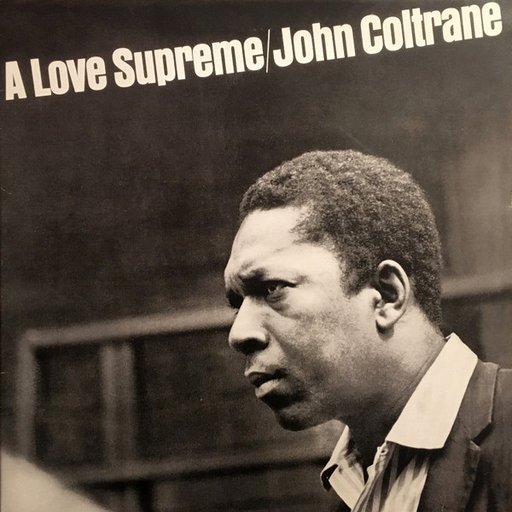
A Love Supreme (1965)

John Coltrane
A Love Supreme by John Coltrane

Released in 1965, 'A Love Supreme' is a landmark album in the world of jazz, showcasing the profound spiritual journey of John Coltrane. Recorded in a single session at Van Gelder Studio in Englewood Cliffs, New Jersey, the album was released on Impulse! Records and quickly became a critical and commercial success. Coltrane's exploration of spirituality through music resonated with listeners, establishing him as a pivotal figure in jazz. The album has been celebrated not only for its innovative sound but also for its deeply personal narrative and spiritual undertones, making it a touchstone for both musicians and fans alike. Musically, 'A Love Supreme' is significant for its innovative structure and improvisational style. The album is divided into four parts: 'Acknowledgement', 'Resolution', 'Pursuance', and 'Psalm', each contributing to a cohesive narrative arc. The standout track, 'Acknowledgement', opens with the famous four-note motif that serves as a spiritual mantra, setting the tone for the entire piece. 'Resolution' showcases Coltrane's intense saxophone work, while 'Pursuance' features an exhilarating interplay between Coltrane and drummer Elvin Jones. Collectors seeking the 'A Love Supreme' vinyl should be aware of several pressing variations. The original 1965 release in mono is highly sought after, with the black and orange label being particularly desirable. Look for matrix numbers such as AS-77 and the dead wax identifiers that often include 'RVG' for Rudy Van Gelder. Current values range from $20 for later reissues to upwards of $300 for pristine originals. Condition is paramount for this album; look for minimal surface noise and well-maintained jackets, as wear can significantly impact value. Collectors are drawn to 'A Love Supreme' not only for its musical brilliance but also for its cultural significance in the jazz canon. As a reflection of Coltrane's spiritual quest, this record has become an essential piece of vinyl history, making it a must-have for both seasoned collectors and newcomers alike.

Standout Tracks:
  • Acknowledgement
  • Resolution
  • Pursuance
Pressing Notes: Original 1965 mono pressing with black and orange label is highly desirable. Look for matrix AS-77 and 'RVG' in the dead wax.
Value: $20-$300 Collectibility: High

Vinyl Collector Tip #79

Cleaning

Mastering Vinyl Care for Longevity

To ensure your vinyl records maintain their sound quality and longevity, regular cleaning is essential. You should invest in a quality carbon fiber brush for dry cleaning. This tool effectively removes dust and debris without scratching the surface. For deeper cleaning, consider using a record cleaning solution specifically designed for vinyl. Applying a few drops to a microfiber cloth and gently wiping the grooves can help remove stubborn grime. This not only protects your investment—potentially preserving the value of records worth $100 or more—but also enhances playback quality, preventing skips and distortion.

It's crucial to clean your records before and after each use to prevent the buildup of dirt that can degrade the sound over time. Additionally, store your records vertically and in protective sleeves to safeguard them from dust and physical damage.

By adhering to these vinyl care practices, you can extend the lifespan of your collection and enjoy pristine sound quality for years to come. Remember, a well-maintained record can provide you with a rich listening experience and preserve its value in the ever-growing world of record collecting.

Pro Tip: Use distilled water in your cleaning solution to avoid mineral deposits.

Vinyl Market Pulse

↑ Up

Soul Vinyl: Market Trends for 2026

The vinyl market for Soul records has seen a remarkable surge in interest this year, driven by a blend of nostalgia, high-profile artist deaths, and a resurgence in reissues. Original pressings of classics like Marvin Gaye's 'What's Going On' have skyrocketed, now fetching over $200, up from just $50 last year. The allure of Soul music, characterized by its emotive sound and rich history, continues to captivate collectors, particularly with recent documentaries shedding light on iconic figures in the genre. As more people turn to vinyl as a tangible investment, Soul records have become a hot commodity. Collectors should focus on original pressings and significant reissues from labels like Motown and Stax, as these are likely to appreciate in value. Albums from artists like Aretha Franklin and Otis Redding are also safe bets. Selling lesser-known titles or standard reissues can help fund these more lucrative investments. Looking ahead, the outlook appears positive; as the nostalgia for classic Soul persists and the vinyl format remains popular, prices are expected to continue on an upward trajectory. Investing in Soul vinyl not only offers the chance for financial gain but also enriches your listening experience with timeless music.

Hot Artists: Marvin Gaye, Aretha Franklin, Otis Redding

Genre Spotlight

New Wave

The Essential Guide to New Wave Vinyl Collecting

New Wave emerged in the late 1970s as a dynamic genre that combined elements of punk rock, pop, and electronic music, giving birth to a sound that was both innovative and commercially viable. Often associated with the rise of synthesizers and the DIY ethos of the punk movement, New Wave became a defining genre of the 1980s. Its origins can be traced back to bands experimenting with avant-garde sounds, leading to the genre's golden era characterized by catchy melodies and a penchant for theatricality. Movements such as synth-pop and post-punk played pivotal roles in shaping the New Wave landscape, leading to a rich catalog of music that continues to resonate today.

When it comes to essential artists in New Wave, a few names stand out. First, we have Talking Heads, known for their eclectic sound and artistic music videos that redefined visual storytelling in music. Second, Blondie, whose fusion of punk and disco led to chart-topping hits like "Heart of Glass." The B-52's brought a quirky, fun vibe with their distinctive sound, while Depeche Mode pioneered the use of synthesizers, creating timeless tracks that still captivate listeners. Duran Duran, with their glam aesthetics and catchy hooks, defined the MTV generation, while The Cure's melancholic melodies and goth influences added depth to the genre. Lastly, Gary Numan brought sci-fi themes to the forefront with his groundbreaking album "Speak & Spell."

For collectors, several must-own albums define the New Wave genre. First on the list is "Speak & Spell" (1981) by Depeche Mode, featuring the hit “Just Can't Get Enough.” Next, Blondie's "Parallel Lines" (1978) is a quintessential album that showcases the band's unique blend of styles and produced classics like “Heart of Glass.” The B-52's self-titled debut (1979) is another essential, bursting with energy and creativity. Duran Duran's "Rio" (1982) is a staple for its infectious hooks and iconic tracks like “Hungry Like the Wolf.” Finally, "Remain in Light" (1980) by Talking Heads is a landmark album that pushed the boundaries of what New Wave could achieve.

When collecting New Wave vinyl, it's essential to pay attention to pressing info, labels, and rare variants. Look for first pressings, which are often marked with unique identifiers on the label. Labels like Sire, EMI, and Chrysalis are notable for their association with many New Wave acts. Additionally, limited edition colored vinyl or picture discs can significantly increase a record's value.

As of now, the market for New Wave vinyl records is thriving. Collectibility is high, with price ranges varying widely, from around $

Featured Rarity

Why This Album Is Worth Thousands

What's Going On by Marvin Gaye (1971)

Marvin Gaye's 'What's Going On' is not just an album; it represents a pivotal moment in music history, blending social consciousness with emotive melodies. This masterpiece has become one of the most coveted vinyl records among collectors, with original pressings fetching impressive sums. The first pressing, released in 1971 on the Tamla label, is particularly valuable, especially if it features the original green Motown label. Collectors should watch for the deadwax etching that reads 'T-314,' signifying a true first pressing, as well as the specific matrix numbers that can enhance value.

In the collectible market, an original U.S. pressing in near-mint condition can range from $150 to an astonishing $25,000 depending on its condition and rarity. Variants like the original UK pressing on Tamla Motown or the early Columbia pressing are also sought after, with prices reflecting their unique attributes.

What makes these original pressings special is the unique artwork and packaging, which often includes the iconic album cover designed by Ernie Barnes, whose artwork captures the essence of the record. Trivia enthusiasts will appreciate that the album was inspired by Marvin Gaye's experiences during the civil rights movement, adding a layer of historical significance.

For collectors, look for the first pressing with the error on the back cover that misspells 'Psychedelic' as 'Psychedellic.' This small detail can significantly increase a record's desirability. With its timeless relevance and impeccable artistry, 'What's Going On' remains a must-have for any serious vinyl collector, making it a perfect gem for your collection!

Current Market Value: $150-$25,000