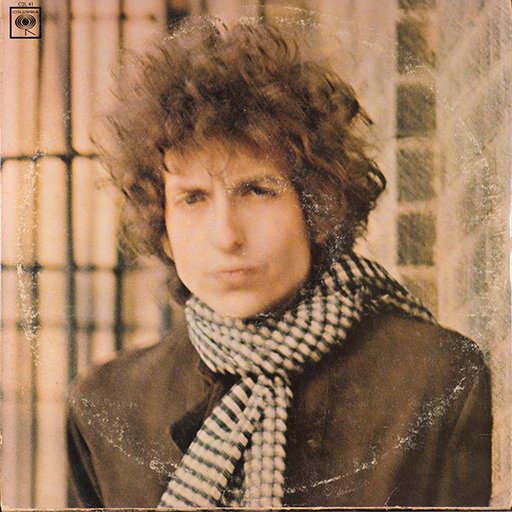
Luis Rueda, an Ecuadorian rock singer, embarked on his musical journey at the age of 13 when he learned to play the guitar. Within a month, he had composed his first song, and by 14, he formed his first band, SAK, in 1987, during a challenging time for rock music in Guayaquil. The band consisted of Luis Rueda (vocals and guitar), Raúl Rueda (bass), Víctor Chiriboga (guitar), and Ernesto Lamilla (drums). Together, they made their initial foray into the music scene, releasing their first work, a vinyl titled Hipermeticadictivo, when Luis was 19 years old.
SAK served as the foundation for Luis's subsequent flagship band, La Trifullka, which featured Luis Rueda (vocals and acoustic guitar), Raúl Rueda (bass), Xavier VonBuchwald (guitar), Jorge Pauta (acoustic guitar), and Christian Freire. La Trifullka gained significant recognition over an eight-year span, participating in numerous concerts, including the legendary Rock al Parque in 1997. The band released three albums, starting with Mucha Rabia, produced by MTM, which featured the hit single "Los Maestros del Amor" that achieved top rankings nationwide. Their second album, El Efecto Placebo, is often regarded as the band's standout record, notable for including a cover of "Penas," a popular song from the Ecuadorian rocola.
In 2001, Luis Rueda moved to Spain, where he joined the Madrid-based band Elecktra, recording an EP titled Cero. The project did not gain traction, partly due to Luis's "non-Spanish" accent. Upon his return to Ecuador, he attempted to reunite the disbanded Trifullka, resulting in the release of their third album, Calamidad Doméstica, which was produced by IFESA. However, internal conflicts soon led to the band's dissolution. In 2003, a compilation album titled The Rearvisor 1995-2003 was released, though it was unofficial.
Following the breakup of La Trifullka, Luis Rueda ventured into solo work, recording his first solo album, Yo Lucho y el Resto Rueda, in Argentina in 2006. Upon returning to Ecuador, he promoted the album, solidifying his reputation as a rock musician with a strong sense of independence.
By late 2008, Luis's creative drive led him to form a new project, Luis Rueda & El Feroz Tren Expreso, shifting towards a more collaborative sound. After two years of touring, composing, and releasing two singles on television, the band unveiled their album Caldo de Cultivo, which featured ten tracks characterized by irreverence and intensity. This album was notable for its lack of ballads, showcasing Luis's ability to reinvent his musical style while providing a concentrated representation of his artistic identity.
In 2010, the band was renamed El Feroz Trio Expreso, and the success of Caldo de Cultivo facilitated a national tour comprising 15 concerts. They also participated in major Ecuadorian festivals, including Festivalfff in Ambato, Quito-Fest in the capital, and Rock Week in Guayaquil. A live album titled Yo en Vivo captured the essence of their performances and the enthusiasm of their audience, marking a significant milestone in Luis's career.
In 2011, Luis Rueda relocated to Quito, where he launched the Yo en Vivo Tour, sharing the stage with notable acts such as the Spanish band Los Ilegales and Puerto Rican group Calle 13 at the Alberto Spencer Stadium.
The year 2012 was particularly significant for Luis, as he established himself not only as a musician and producer but also as a television host with his program El Alternador, which spotlighted national bands and cultural projects under the motto "what is well done." He embraced his reputation, living authentically and without pretense. Luis is married to Argentine Karina Paludi, whom he met in Buenos Aires in 2004, and he describes her as supportive. He also operates a music studio named AlMango, inspired by the mango trees surrounding it, where he works with four bands, aiming to give back what he has learned throughout his career, while also dedicating time to produce a new album that is already in the works.