Francisco Prado - Biography & Vinyl Records | SRO Records SRO Records
Austin, Texas US    New & Used Vinyl    30-Day Return Guarantee
Contact Us    Fast, Secure International Shipping

Artist

Tuesday, April 14, 2026

Explore More Artists

A B C D E F G H I J K L M N O P Q R S T U V W X Y Z #
Francisco Prado

Francisco Prado

Francisco Xavier Prado Saona nació el 8 de octubre de 1964 en Quito, Ecuador. Desde una edad temprana, mostró un notable interés por la música, reproduciendo las canciones que escuchaba en la iglesia en un pequeño piano de juguete, que más tarde fue sustituido por un acordeón.

Su familia tenía una rica tradición musical: su madre y su abuelo tocaban la guitarra, y su padre había sido un cantante y baterista frustrado. Aunque su madre lo animaba a tocar la guitarra, Pancho inicialmente se resistía. Sin embargo, pasaba largas horas observando a su abuelo interpretar y cantar pasillos. A los dieciséis años, Pancho vivió un momento que lo marcaría profundamente: la muerte de John Lennon, su ídolo en ascenso, el 8 de diciembre de 1980. Al día siguiente, decidió comprar un juego de cuerdas para la antigua guitarra de su madre, que colgaba decorativa en su habitación, con la firme determinación de aprender a tocarla. Se dedicó a practicar acordes durante días, y pronto comenzó a tocar canciones de los Beatles y los Bee Gees, además de adentrarse en el repertorio de artistas como John Denver, Cat Stevens, Queen, Pink Floyd y Led Zeppelin. A los 17 años, se unió al grupo de rock de su colegio, Spellman, donde se graduó de bachiller.

Con el tiempo, su estilo se volvió más pesado, convirtiéndose en un aficionado de bandas como Black Sabbath, Deep Purple y Ten Years After, tocando la guitarra principal con una Fender Telecaster. Antes de finalizar sus estudios en el colegio, los grupos de rock del Spellman y del Colegio Americano se fusionaron para formar una nueva agrupación, Return. Durante este período, Pancho tocó la guitarra rítmica y cantó ocasionalmente, mientras el tecladista Nelson García lo animaba a explorar un estilo más suave y latinoamericano. Aunque al principio se mostró reacio, dado su fervor por Ozzy Osbourne, Nelson lo convenció pacientemente de que colaboraran en la creación de música.

Mientras tanto, Pancho había iniciado sus estudios en la Facultad de Medicina, aspirando a seguir los pasos de su padre. Sin embargo, el ambiente universitario lo llevó a descubrir y apreciar la música de artistas latinoamericanos. En 1984, durante el Tercer Festival de la Nueva Canción Latinoamericana en Quito, Pancho se sintió cautivado por este género, declarando: "esto es lo que quiero hacer toda mi vida". Fue entonces cuando decidió cambiar su enfoque musical de Ozzy a Silvio Rodríguez, comenzando a cantar además de tocar la guitarra de palo, una Yamaha que sus padres le habían regalado.

Junto a Nelson García, formó el dúo Umbral. Nelson solicitó a Pancho grabaciones de sus propias composiciones y eligió la canción "A donde vas", que se convertiría en una de las más emblemáticas del cancionero popular ecuatoriano. El dúo tuvo éxito en varios conciertos, presentando un repertorio que combinaba sus propias composiciones con clásicos del rock. Con el tiempo, Pedro Pino se unió a Umbral, y juntos lanzaron su primer LP, titulado "UMBRAL", que incluía éxitos como "A donde vas", "Idilio" y "Tiempos sobrehumanos". La agrupación se convirtió en una de las más representativas de la Música Urbana en Ecuador durante los años 80, junto a bandas como Promesas Temporales y Canela.

Con la llegada de los años 90, Umbral atravesó un período difícil. Nelson García se trasladó a Boston para estudiar música y Pedro Pino se mudó a Chile, dejando a Pancho solo y marcando el final de la banda. Durante estos años, se vio obligado a tocar en diversos lugares para subsistir. En 1995, tras graduarse, decidió dedicarse a su nueva carrera como Psicólogo Clínico, aunque continuó componiendo música. En el año 2000, un incidente cercano a la muerte lo llevó a reflexionar sobre su vida y su legado, lo que lo impulsó a comenzar a grabar sus canciones, muchas de las cuales había compuesto desde la disolución de Umbral.

Así nació su primer álbum como solista, "Días Mejores", un proyecto conceptual que explora la esperanza y la resiliencia en tiempos difíciles. El disco, que contiene 13 temas, refleja sus vivencias y su evolución como artista, manteniendo un estilo de trova más maduro.

Pancho Prado se unió al colectivo creativo LOCOMOTROVA, un movimiento que busca reunir a cantautores y poetas con la intención de fomentar la conciencia social a través de la poesía y la música. En su canción "Días Mejores", él expresa su anhelo de un futuro mejor, afirmando: "Aunque hoy los trovadores no puedan cantar / Y la Bella Durmiente del alma no quiera despertar / Aunque hoy las miradas de los que se aman ya no se puedan encontrar / No hay mal que dure una eternidad / Seguro vendrán Días mejores..."

Real Name: Francisco Xavier Prado Saona

Browse by Era

Latest Vinyl News

Albums by Francisco Prado

No products currently available for this artist. Check back soon!

On This Day in Music History

Fleetwood Mac's Iconic Album 'Fleetwood Mac' Hits the Charts (1975)

On April 14, 1975, Fleetwood Mac reached a pivotal moment in their illustrious career as their self-titled album 'Fleetwood Mac' ascended to No. 1 on the Billboard 200 chart in the United States. This album marked a significant transformation for the band, showcasing their shift from blues-rock to a more polished pop sound. The original pressing of the album, featuring the unforgettable harmonies of Stevie Nicks and Lindsey Buckingham, captivated listeners and set a new standard for the rock genre.

With hits like 'Rhiannon' and 'Say You Love Me,' the album sold over 8 million copies in the U.S. alone and would go on to be certified multi-platinum, solidifying Fleetwood Mac's place in music history. The synergy between Nicks and Buckingham brought a fresh energy that attracted a wider audience, while the band's previous members, including Mick Fleetwood and Christine McVie, contributed to the rich tapestry of sound.

What made this release particularly noteworthy in vinyl history was its lush production, which became a defining characteristic of rock music in the mid-1970s. The album’s success paved the way for its follow-up, the even more acclaimed 'Rumours,' which would release just two years later. Fleetwood Mac's impact on the music industry during this period cannot be overstated; they not only influenced countless artists across various genres but also helped to popularize the LP format, which remains a favorite among collectors today.

Fleetwood Mac’s 'Fleetwood Mac' remains a beloved record in the vinyl community, with limited vinyl reissues and original pressings still highly sought after by collectors. Its blend of rock, pop, and emotional storytelling continues to resonate, ensuring the album's legacy endures through generations. This moment in 1975 exemplified the power of music to transcend time and trends, reinforcing Fleetwood Mac's status as rock legends.

Rock Fleetwood Mac

Album of the Week

Rock

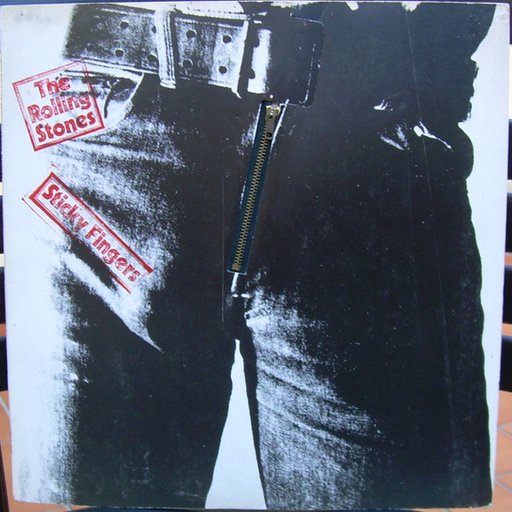
Sticky Fingers (1971)

The Rolling Stones
Sticky Fingers by The Rolling Stones

Released in April 1971, 'Sticky Fingers' marks a pivotal moment in The Rolling Stones' illustrious career, being their first album under their own label, Rolling Stones Records. The album was recorded largely at Muscle Shoals Sound Studio in Alabama and features a raw, gritty sound that perfectly encapsulates the band's essence during this era. Upon release, 'Sticky Fingers' received critical acclaim for its innovative blend of rock, blues, and country influences, solidifying its status as a classic. The album cover, famously designed by Andy Warhol, features a working zipper, which was a bold statement of the band's rebellious spirit and artistic vision. 'Sticky Fingers' not only topped charts worldwide but also reshaped the landscape of rock music. Musically, 'Sticky Fingers' is significant for its exploration of diverse genres, marked by standout tracks such as the iconic 'Brown Sugar,' which blends rock with a hint of funk, and 'Wild Horses,' a poignant ballad showcasing the band's softer side. Another highlight is 'Can't You Hear Me Knocking,' which features an unforgettable guitar riff and an extended jam that showcases the band's improvisational skills. For collectors, the original pressing of 'Sticky Fingers' is highly sought after, particularly the first editions with the zipper cover. Look for variations in the labels—originals will have the text 'Rolling Stones Records' prominently displayed and may feature the label's early designs. Matrix numbers to note include 'ST-RS-712004' for the original US pressing. Current value ranges for an original pressing can vary significantly, often fetching between $20 and $300 depending on condition. Condition is crucial, especially for the zipper cover, which is prone to wear and damage. Collectors are drawn to 'Sticky Fingers' not only for its musical brilliance but also for its cultural significance and the nostalgia surrounding The Rolling Stones' rebellious image. This album continues to be a cornerstone of any serious rock vinyl collection, and its pressing variations add layers of intrigue for avid collectors.

Standout Tracks:
  • Brown Sugar
  • Wild Horses
  • Can't You Hear Me Knocking
Pressing Notes: Original pressings feature a working zipper cover and can have varying label designs; look for the early Rolling Stones Records label.
Value: $20-$300 Collectibility: High

Vinyl Collector Tip #104

Cleaning

Mastering Vinyl Care: Essential Cleaning Techniques

Cleaning your vinyl records is crucial for preserving their sound quality and longevity, ultimately protecting your investment. Dust, fingerprints, and grime can accumulate on the surface of your records, leading to skips and pops during playback. You should invest in a quality record cleaning solution and a microfiber cloth or a dedicated record brush. For best results, apply the cleaning solution in a circular motion, moving from the outer edge toward the center. This method ensures that you do not push dirt deeper into the grooves. For records valued at $100 or more, you’ll want to handle them with extra care to maintain their condition and resale value.

Additionally, consider using a vacuum record cleaner for deep cleaning. This method can remove dust and debris that traditional cleaning might miss, ensuring that your records play smoothly and sound their best. Regular cleaning can significantly enhance your listening experience and extend the life of your records, making it a vital practice in record collecting.

Remember, a well-maintained record can easily preserve its value, making cleaning an essential part of your vinyl care routine.

Pro Tip: Use distilled water in your cleaning solution to avoid mineral deposits that can damage your records over time.

Vinyl Market Pulse

↑ Up

Reggae Vinyl: Market Trends for 2026

The vinyl market for Reggae records is experiencing a notable surge in interest as we move through 2026. Original pressings of iconic albums, such as Bob Marley’s 'Catch a Fire' and Peter Tosh’s 'Legalize It,' have skyrocketed, with prices now reaching over $200, up from just $50 last year. The surge is driven by a combination of nostalgia, recent artist deaths, and the release of documentaries that highlight the genre's cultural impact. Collectors are particularly keen on reissues from revered labels like Trojan Records, which have revitalized interest in classic sounds. For those looking to invest, focus on limited edition pressings and colored vinyl, which tend to garner higher prices. Selling well are first-press records from the 1970s and 1980s, especially those in mint condition. Moving forward, the outlook for Reggae vinyl remains strong. As more fans embrace the format, fueled by a growing appreciation for the genre's history, prices are expected to continue rising. Keep an eye on emerging artists in the genre as well, as their vinyl releases may become future collectibles. The Reggae vinyl market is not just about nostalgia; it’s a sound investment for collectors and enthusiasts alike.

Hot Artists: Bob Marley, Peter Tosh, Burning Spear

Genre Spotlight

Heavy Metal

The Essential Guide to Heavy Metal Vinyl Collecting

Heavy metal music has a rich history that dates back to the late 1960s, with roots in blues rock and psychedelic rock. Originally defined by its aggressive sound, heavy guitar riffs, and powerful vocals, heavy metal began to take shape with bands like Black Sabbath and Led Zeppelin, who pioneered the genre's signature sound. The golden era of heavy metal emerged in the late 1970s and early 1980s, marked by the rise of iconic subgenres such as NWOBHM (New Wave of British Heavy Metal) and thrash metal, both of which pushed the boundaries of speed and aggression.

Essential artists in heavy metal vinyl collecting include:
1. **Black Sabbath** - Often credited with creating heavy metal, their self-titled debut album (1970) is a must-have for any collector.
2. **Metallica** - With their 1986 release, *Master of Puppets*, Metallica defined thrash metal and remains one of the most collectible bands in the genre.
3. **Iron Maiden** - Their 1982 album *The Number of the Beast* is a cornerstone of heavy metal and a favorite among collectors.
4. **Judas Priest** - Known for their twin guitar attack, their 1976 album *Sad Wings of Destiny* is a classic that shaped the genre.
5. **Megadeth** - With *Rust in Peace* (1990), Megadeth solidified their status in the thrash metal scene, making it a valuable addition to any vinyl collection.
6. **Slayer** - Their 1986 release *Reign in Blood* is often regarded as one of the greatest heavy metal albums, appealing to collectors for its raw intensity.
7. **Motörhead** - With *Overkill* (1979), Motörhead blended punk rock energy with heavy metal, creating a unique sound that has become highly collectible.

When delving into heavy metal vinyl collecting, there are several must-own albums:
- **Black Sabbath - *Black Sabbath* (1970)**, Vertigo Records: The debut that started it all, featuring the iconic title track.
- **Iron Maiden - *The Number of the Beast* (1982)**, Harvest Records: A quintessential album with timeless tracks like "Hallowed Be Thy Name."
- **Metallica - *Master of Puppets* (1986)**, Elektra Records: A defining album in thrash metal, essential for any serious collector.
- **Judas Priest - *British Steel* (1980)**, Columbia Records: Known for its anthemic sound and classic tracks like "Living After Midnight."
- **Slayer - *Reign in Blood

Featured Rarity

Why This Album Is Worth Thousands

Kind of Blue by Miles Davis (1959)

Miles Davis's "Kind of Blue" is not just an album; it's a cornerstone of jazz history and a coveted gem for vinyl collectors. Released in 1959, this masterpiece redefined the genre and introduced modal jazz to the world. Its collectibility stems from its profound influence, coupled with a limited number of original pressings. The first pressing on Columbia Records, distinguished by the deep groove and the label featuring '6 Eye' design, can fetch anywhere from $1,500 to an astonishing $25,000 depending on its condition.

Collectors often seek variants like the original UK pressing on CBS, which can command prices between $750 and $3,000. Rare pressings also include the 1962 mono version, which is particularly sought after due to its unique sound dynamics. The album’s iconic cover art, featuring a blue hue, only adds to its allure, making the original gatefold sleeve a treasure in itself.

Trivia that delights collectors includes the fact that the album was recorded in just two sessions, with legendary musicians like John Coltrane and Bill Evans contributing to its magic. When hunting for this classic, look for matrix numbers that start with 'P' for original pressings and check the deadwax for inscriptions that may hint at an early pressing.

In the realms of vinyl collecting, few albums carry the weight and history of "Kind of Blue." Its rarity and the story it tells make it a must-have for any serious collector. Add this masterpiece to your collection, and you won’t just own a record; you’ll own a piece of music history.

Current Market Value: $1,500-$25,000