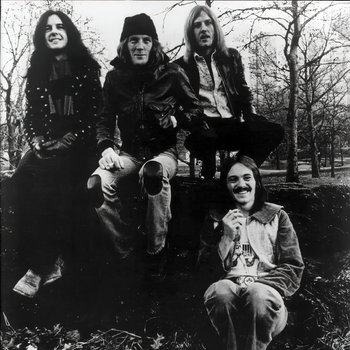
Steve Marriott established Humble Pie in 1968 alongside Greg Ridley, Peter Frampton, and Jerry Shirley. Their debut single, "Natural Born Bugie," achieved success in the UK Singles Chart, leading to the release of their first album, As Safe As Yesterday Is, which reached number sixteen on the UK album charts. In 1969, while the band embarked on their first tour of the USA, they released their second album, Town and Country, which showcased a more acoustic sound and included songs written by all four members.
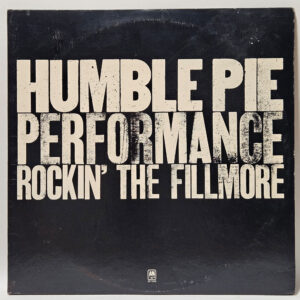
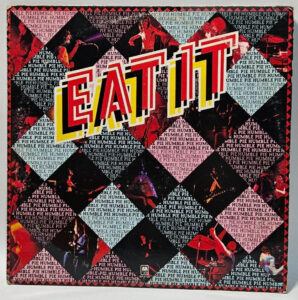
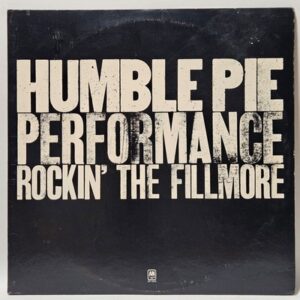
In 1970, Humble Pie transitioned to A&M Records, which released their self-titled album later that year, featuring a blend of progressive rock and hard rock. The following year, A&M produced Rock On and simultaneously released a live concert album recorded at Fillmore East in New York, titled Performance: Rockin' the Fillmore. Both Rock On and Performance achieved gold status, with the anthemic "I Don't Need No Doctor" becoming a notable FM radio hit in the USA, driving the album’s popularity.
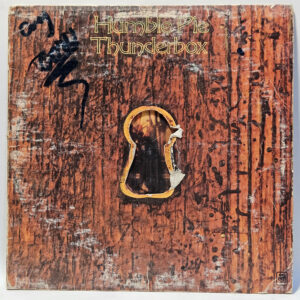
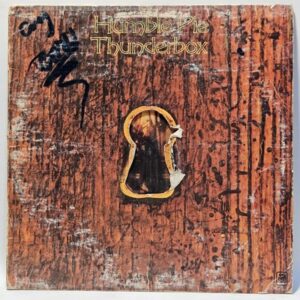
After the recording of Rockin' the Fillmore, Frampton departed and was succeeded by Dave "Clem" Clempson. Following this change, Humble Pie shifted towards a heavier sound, emphasizing Marriott's blues and soul influences. They produced the album Smokin', along with singles "Hot 'n' Nasty" and "30 Days in the Hole." This marked the band's peak commercial success, with the album reaching #6 on the US charts, bolstered by an active touring schedule. A&M subsequently released Lost and Found, which combined two previous albums. In pursuit of a more authentic R&B sound, Marriott enlisted three female backing singers known as The Blackberries, leading to the release of Thunderbox in 1974 and Street Rats a year later. In 1975, featuring keyboardist Tim Hinkley, Humble Pie embarked on the Goodbye Pie Tour before disbanding.
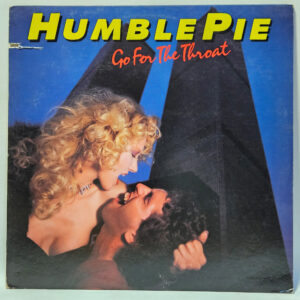
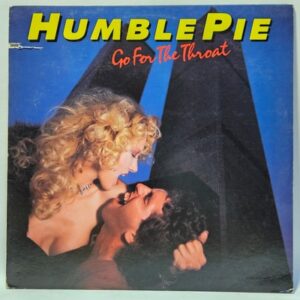
In 1979, Steve Marriott revived Humble Pie with Jerry Shirley, bringing in Bobby Tench, a vocalist and guitarist from The Jeff Beck Group, and American bassist Anthony "Sooty" Jones. Their single "Fool for a Pretty Face" secured a recording contract with Atlantic Records, resulting in the album On to Victory, released in 1980. The band toured the USA as part of the Rock 'N' Roll Marathon bill and recorded Go for the Throat. Unfortunately, Marriott suffered a hand injury at the tour's outset, which delayed scheduled performances, and he later developed a duodenal ulcer, forcing the cancellation of all remaining tour dates. Following these events, this lineup disbanded.
In 1989, drummer Jerry Shirley acquired the rights to the Humble Pie name and reformed the band with different musicians under the title Humble Pie Featuring Jerry Shirley, with Shirley as the sole original member. Based in Cleveland, Ohio, the new lineup included vocalist Charlie Huhn, who also played guitar. While Huhn and Shirley were the only consistent members, various musicians, including Wally Stocker from Rod Stewart's band and Cleveland guitarist Alan Greene, joined at different times. The band gained a solid reputation as a live act in the USA, although they did not release any official studio recordings. They performed at the 20th Anniversary Celebration of the Woodstock Festival, which was broadcast live nationally in the United States and other countries.
In 1991, when a reunion featuring Frampton and Marriott seemed possible, Shirley paused Humble Pie Featuring Jerry Shirley. Following Marriott's death, Shirley revived his band, which disbanded in 1999. He re-formed Humble Pie in 2001, including original bassist Greg Ridley, former vocalist and guitarist Bobby Tench, and new rhythm guitarist Dave Colwell. This iteration recorded Humble Pie's thirteenth studio album, Back on Track, featuring new songs and released by Sanctuary in 2002. A short tour of the UK and Germany with Company of Snakes followed.
Humble Pie participated in the Steve Marriott Tribute Concert at the London Astoria in 2001, featuring a special reunion lineup that included Peter Frampton, Clem Clempson, Greg Ridley, and Jerry Shirley.
Shirley's 2001 version of Humble Pie disbanded in 2002 due to Greg Ridley's illness.