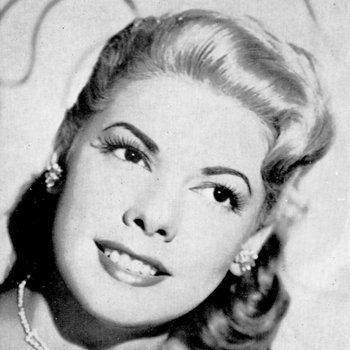
Cuban-Mexican film actress and dancer Ninón Sevilla was born on November 10, 1921, in La Habana, Havana, Cuba, and passed away on January 1, 2015, in Mexico City, Distrito Federal, Mexico. She played a prominent role during the golden age of Mexican cinema and is celebrated as one of the greatest Cuban stars and a leading figure in the Rumberas film genre.
Sevilla adopted her stage name in homage to the renowned French courtesan Ninon de Lenclos. Initially drawn to a religious vocation, she contemplated becoming a missionary nun. However, after achieving success as a dancer in nightclubs and cabarets in Cuba, she chose to pursue a career in entertainment. She began her journey in the chorus of Cuban comedians Mimí Cal, known for creating “Nananina,” and Leopoldo Fernández, famous for his character “Tres Patines” in Cuban radio and television.
Her move to Mexico was part of a show featuring Libertad Lamarque. Through her collaboration with musician Kiko Mendive, she helped bring Dámaso Pérez Prado to Mexico, who would come to be known as the “King of mambo,” a rhythm she significantly popularized.
Sevilla's cinematic journey began when producer Pedro Arturo Calderón spotted her performing on stage and offered her a film contract. She made her film debut in 1946 with Carita de Cielo, alongside María Elena Marqués and Antonio Badú. Following this, she became the exclusive star of Producciones Calderón, declining offers from major studios like Metro-Goldwyn-Mayer and Columbia Pictures due to a lack of interest in Hollywood.
Renowned for her distinctive hairstyles and extravagant gowns, filmmaker Alberto Gout established Sevilla as one of the erotic symbols of Mexican cinema. She gained widespread acclaim through Gout’s notable films, including Aventurera (1949), Sensualidad (1950), Mujeres sacrificadas (1952), and Aventura en Río (1953). In addition to her work with Gout, Sevilla collaborated with Emilio Fernández “El Indio” in the acclaimed film Víctimas del Pecado (1951), Julio Bracho in Llévame en tus brazos (1954), and Gilberto Martinez Solares in Mulata (1954) and the comedy Club de Señoritas (1956), as well as Alfredo B. Crevenna in Yambaó (1956).
In the realm of musical Rumberas films, Sevilla uniquely internationalized the image of the rumbera, often portraying a “fallen woman” redeemed through dance. She choreographed many of her performances and was the first to incorporate movements from Santería rituals into her dance routines, acknowledging the influence of Afro-Caribbean culture in her narratives. During her peak, she commanded large venues, employed spectacular sets and dazzling costumes, and shared the screen with notable figures of Latin American cinema, including Joaquín Pardavé, Andrea Palma, Fernando Soler, Pedro Armendáriz, Anita Blanch, Agustín Lara, and more.
By 1950, Sevilla had firmly established herself as a sex symbol and superstar, gaining recognition in countries such as Brazil and France. In 1955, the future acclaimed French director François Truffaut reviewed Llévame en tus brazos, noting, “Is Ninón dancing for glory? No way, never. It is quite clear Ninón is dancing for pleasure!”
As the golden age of Mexican cinema waned, Sevilla stepped back from the industry but made a return in 1981 under the direction of Mario Hernández for the 1984 film Noche de Carnaval, which earned her the Silver Ariel Award for Best Actress of the Year.
Sevilla made her television debut in 1965 with a minor role in the soap opera Juicio de almas, produced by Ernesto Alonso. Following the revival of her career, she was invited in 1987 to join the cast of the telenovela Rosa salvaje, alongside Verónica Castro, and appeared in various supporting roles in subsequent telenovelas, including Qué bonito amor (2012).
In 2014, Sevilla was honored by the Mexican Academy of Cinematographic Arts and Sciences and the Cineteca of Mexico for her contributions and impact on Mexican cinema.
Throughout her life, Sevilla had a long-term relationship with film producer Pedro Arturo Calderón and later married Cuban doctor José Gil, though she became widowed shortly thereafter. She also had another relationship that resulted in her only son, musician Genaro Lozano.