Los 4 Ros - Biography & Vinyl Records | SRO Records SRO Records
Austin, Texas US    New & Used Vinyl    30-Day Return Guarantee
Contact Us    Fast, Secure International Shipping

Artist

Friday, April 10, 2026

Explore More Artists

A B C D E F G H I J K L M N O P Q R S T U V W X Y Z #
Los 4 Ros

Los 4 Ros

El conjunto valenciano Los 4 Ros ha sido frecuentemente malinterpretado como un grupo exclusivamente vocal, un error que surge de sus numerosas actuaciones en festivales. En estos eventos, contaban con una orquesta fija, presentándose como un cuarteto vocal; sin embargo, en sus presentaciones y muchas de sus grabaciones demostraron ser también instrumentistas altamente competentes.

Los 4 Ros se formaron alrededor de 1965 en el conservatorio de Valencia, donde todos sus integrantes estaban cursando estudios. El grupo estaba compuesto por Paco Ros (voz principal y órgano), Francisco José Sancho (guitarra, saxos y clarinete), Manolo Portalés (bajo y trompeta) y Alfonso Giménez (batería). Su talento llamó la atención de la discográfica catalana Belter, y en junio de 1966 lanzaron su primer disco: un EP que incluía "Mi Amor / Merci, Cherie / Uno, Dos, Tres / Vuelve Baby Vuelve" (Belter, 1966). Este trabajo presentaba una variedad de temas, destacando el segundo, que había ganado el Festival de Eurovisión interpretado por el austriaco Udo Jurgens, y el primero, una versión enérgica de un éxito de Petula Clark.

A solo dos meses de su debut, el grupo participó en el Festival de la Canción Española de Benidorm con dos temas: "¿Por qué? / Amor Amargo" (Belter, 1966). Con "Amor Amargo", lograron la segunda posición, acompañados por Bruno Lomas, ya que cada canción era defendida por dos intérpretes. Este éxito contribuyó a elevar el perfil del grupo, dado que las canciones del festival gozaban de gran promoción y eran garantía de ventas. La discográfica aprovechó esta oportunidad para lanzar el EP "Amor Amargo / ¿Por qué? / Ay Mamá Mallorca / Un Mechón de Cabello" (Belter, 1966) y otros discos con las canciones del festival.

Belter se especializaba en versiones de temas extranjeros, lo que obligó a Los 4 Ros a adaptarse. A finales de 1966, lanzaron "Submarino Amarillo" (Belter, 1966), una de las muchas versiones en español de la famosa canción de The Beatles.

En 1967, Los 4 Ros comenzaron el año con un sencillo proveniente del Festival de Mallorca, titulado "Las Chicas de Formentor" (Belter, 1967). En julio, regresaron a Benidorm, donde habían dejado una buena impresión el año anterior, llevando consigo dos nuevas canciones: "De la Mano / En el Reino de Dios" (Belter, 1967), con las que alcanzaron la final, logrando nuevamente el segundo lugar con "De la Mano".

Ese mismo año continuaron lanzando discos de versiones, destacando el EP que contenía "El Viernes de mi Recuerdo / Ta Ta Ta Ta / Viejo Café / Como el Agua de Esa Fuente" (Belter, 1967), con temas de Easy Beats y Michel Polnareff, entre otros.

En 1968, Los 4 Ros centraron sus esfuerzos en el Festival de Mallorca, donde llegaron a la final con "Love me, Love me" (Belter, 1968), que fue lanzado como cara A de dos sencillos con diferentes caras B. En su faceta de versioneros, lanzaron "No, No, No / Demuéstrame que me Quieres" (Belter, 1968), que incluía una interesante versión de "Gimme Little Sign" del cantante soul Brenton Wood. También grabaron "Adiós Amor / Con el Nacer de un Nuevo Día / Vamos a San Francisco / Domingo en el Valle" (Belter, 1968), con éxitos de The Monkees y Flowerpot Men.

Durante 1967 y especialmente en 1968, muchos de sus contratos los llevaron a las Islas Baleares, lo que llevó a Paco Ros, el líder del grupo, a proponer un traslado permanente a Mallorca. Sin embargo, no todos los miembros estaban de acuerdo, lo que resultó en una reestructuración dentro del grupo. Francisco Javier y Alfredo dejaron la formación, siendo reemplazados por los músicos valencianos Enrique Pastor (saxo y piano) y los hermanos Vicente (guitarra) y Pascual Balaguer (batería), quienes habían tenido experiencia en otros grupos, siendo Vicente proveniente de Los Huracanes. Con la incorporación de estos nuevos miembros, el grupo pasó a ser un quinteto y cambió su nombre a Los Ros.

Como Los Ros, lanzaron tres sencillos que no lograron destacarse en el mercado, siendo "Cuéntame Cosas Tuyas" (Belter, 1969) el más notable. Su último vinilo, "Tracy / El Viejo Dragón" (Belter, 1970), marcó un cambio hacia un sonido más comercial, aunque en general sus temas eran bastante pachangueros.

Se presume que el grupo continuó presentándose durante los veranos en Mallorca, pero no hay registros de su actividad hasta 1974, cuando apareció el tema "Waterloo" de Abba en un LP de grupos mallorquines editado con fines turísticos.

A pesar de ser buenos músicos y vocalistas, y de su profesionalismo, Los 4 Ros se resignaron a ocupar un lugar como grupo de segunda fila. Sin embargo, se destacan como uno de los más brillantes conjuntos de la discográfica Belter, que quizás no supo brindarles el cuidado que realmente merecían.
Browse by Era

Latest Vinyl News

Albums by Los 4 Ros

No products currently available for this artist. Check back soon!

On This Day in Music History

Prince Releases 'When Doves Cry', Defining a Generation (1984)

On April 10, 1984, the music world was forever changed when Prince dropped his groundbreaking single 'When Doves Cry'. This iconic track, which would later be featured on his critically acclaimed album 'Purple Rain', resonated deeply with fans and critics alike. The song showcased Prince’s eclectic mix of funk, rock, and pop, highlighting his mastery of genre-blending. Upon its release, 'When Doves Cry' skyrocketed to the top of the Billboard Hot 100, holding the number one spot for five consecutive weeks. Notably, it became the first single in history to reach the top of the charts without a bass line, a daring choice that exemplified Prince's innovative spirit.

The song's impact was not limited to its commercial success; it also marked a significant cultural moment. 'When Doves Cry' dealt with complex themes of love and emotional turmoil, a reflection of the shifting societal norms of the 1980s. Its haunting melodies and provocative lyrics captured the imagination of a generation, establishing Prince as a formidable force in the music industry. The single's original pressing on vinyl quickly became a coveted item among collectors, leading to numerous re-releases in various formats, including a special limited vinyl release in 2018.

Adding further to its allure, 'When Doves Cry' was inseparably linked to the film 'Purple Rain', which debuted later that year and would go on to become a cult classic. The film and its soundtrack catapulted Prince to international stardom, solidifying his status as a cultural icon. Today, 'When Doves Cry' remains one of Prince's most celebrated works and a timeless classic of the 1980s, influencing countless artists across generations. Its legacy endures in the hearts of vinyl enthusiasts and music lovers around the world, serving as a testament to Prince's profound impact on the music landscape.

Pop/funk Prince

Album of the Week

Rock

Blonde on Blonde (1966)

Bob Dylan
Blonde on Blonde by Bob Dylan

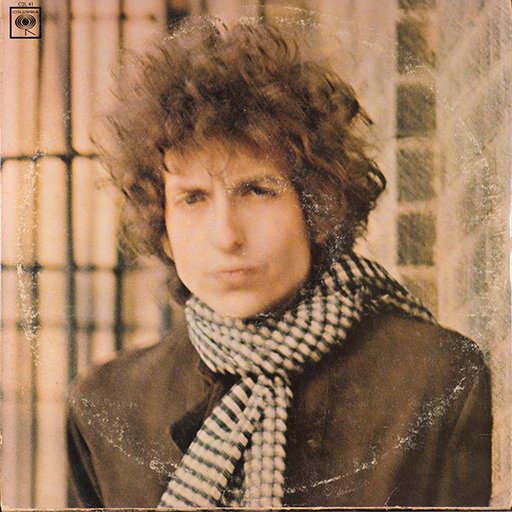
Released in May 1966, Bob Dylan's 'Blonde on Blonde' emerged as a groundbreaking double album that melded rock, folk, and blues into a cohesive masterpiece. Recorded in Nashville, it was one of the earliest double albums in rock music history, showcasing its ambition and influence. The album was met with critical acclaim upon release, with many hailing it as one of the greatest albums of all time. Its innovative use of studio techniques and lyrical depth marked a significant evolution in Dylan's artistry. Musically, 'Blonde on Blonde' is notable for its fusion of genres, featuring electric guitars, organ, and a full band, which was a departure from Dylan's earlier folk-centric sound. Standout tracks such as 'Rainy Day Women #12 & 35,' with its catchy refrain and brass instrumentation, and the haunting 'Just Like a Woman,' exemplify Dylan's lyrical prowess and musical experimentation. Additionally, 'Visions of Johanna,' often regarded as a pinnacle of songwriting, showcases surreal imagery and complex emotions. When collecting 'Blonde on Blonde' vinyl, enthusiasts should pay attention to pressing variations, particularly the original Columbia Records mono pressing (CL 36067) and the later stereo versions (CS 9601). The original mono pressing is highly sought after, with matrix numbers such as XSM 1001-1A and XSM 1002-1A indicating early pressings. Collectors also appreciate the appeal of label variations, including the 1970s reissues on the orange label. Current market value ranges from $20 for less-than-ideal condition copies to upwards of $300 for pristine originals in mono. Condition is crucial, as many pressings suffer from surface noise or wear, making well-maintained copies particularly desirable. Collectors seek 'Blonde on Blonde' not only for its musical significance but also for its cultural impact and the evolution of Bob Dylan as an artist. This album remains a definitive statement in rock history, making it a must-have for any serious vinyl collector.

Standout Tracks:
  • Rainy Day Women #12 & 35
  • Just Like a Woman
  • Visions of Johanna
Pressing Notes: Look for original mono pressings (CL 36067) and stereo versions (CS 9601) with early matrix numbers like XSM 1001-1A.
Value: $20-$300 Collectibility: High

Vinyl Collector Tip #100

Cleaning

Mastering Vinyl Care for Longevity

To ensure your vinyl records maintain their sound quality and longevity, regular cleaning is essential. Dust, fingerprints, and dirt can accumulate on your records, leading to surface noise and potential damage. You should invest in a quality record cleaning kit, which typically includes a carbon fiber brush for dry cleaning and a gentle cleaning solution for deeper cleans. A well-maintained record can preserve its value, often exceeding $100 or more, making this an investment worth protecting.

Start by lightly brushing the surface of the vinyl in a circular motion to remove loose debris. When using a cleaning solution, apply it sparingly with a microfiber cloth, ensuring you follow the grooves of the record to avoid scratches. Always allow the record to air dry completely before returning it to its sleeve.

For those who collect rare or vintage records, consider a vacuum record cleaner for professional-grade results, as this method effectively removes dirt without damaging the vinyl. Proper vinyl care not only enhances your listening experience but also ensures your collection remains in top condition for years to come.

Investing time in cleaning can significantly improve sound quality and protect your investment for future resale, keeping your records in pristine condition for generations to enjoy.

Pro Tip: Use distilled water in your cleaning solution to avoid mineral deposits.

Vinyl Market Pulse

↑ Up

Blues Vinyl: Market Trends for 2026

The vinyl market for Blues records is experiencing a notable resurgence in 2026, with collectors eager to snap up both classic and contemporary titles. Original pressings of legendary artists like B.B. King and Muddy Waters are now commanding prices upwards of $200, a significant increase from approximately $50 last year. This surge can be attributed to a combination of nostalgia, the recent passing of influential Blues artists, and a slew of documentaries that highlight the genre's rich history. As younger generations discover the deep roots of Blues through streaming and film, the demand for vinyl has intensified.

Collectors are advised to focus on rare pressings, particularly those with unique album art or limited releases. Look out for reissues from respected labels, as they often appreciate in value over time. Selling duplicates or lower-demand titles can free up funds for more sought-after records.

Looking ahead, the outlook for Blues vinyl remains optimistic. As appreciation for the genre grows, we anticipate prices will continue to rise, making it a solid investment for collectors. The ongoing interest in vinyl records as a physical format also supports this trend, ensuring that Blues remains a vibrant part of the collecting landscape.

Hot Artists: B.B. King, Muddy Waters, Etta James

Genre Spotlight

Reggae

The Essential Guide to Reggae Vinyl Collecting

Reggae vinyl collecting is a vibrant and rewarding pursuit that taps into the rich history of Jamaican music, offering collectors a chance to own a piece of cultural history. Originating in the late 1960s, reggae emerged from ska and rocksteady, with roots deeply embedded in Rastafarian culture and social commentary. The golden era of reggae, spanning the 1970s to early 1980s, saw the genre blossom, thanks to influential movements like roots reggae, which emphasized spiritual and social themes, and dancehall, which brought a more upbeat and accessible sound.

Essential to any reggae vinyl collection are the artists who shaped the genre. Bob Marley is arguably the most famous reggae musician, known for albums like "Catch a Fire" (1973), which introduced reggae to a global audience. Peter Tosh, a founding member of The Wailers, infused reggae with political activism, notably in his album "Legalize It" (1976). Burning Spear, with his deep roots reggae sound, crafted timeless classics like "Marcus Garvey" (1975), while Toots and the Maytals brought ska to mainstream consciousness with their energetic performances and songs like "Pressure Drop" (1970). Other key figures include Jimmy Cliff, known for his iconic film and soundtrack "The Harder They Come" (1972), and Lee Scratch Perry, revered as a pioneer of dub music, whose innovative production techniques are celebrated on albums like "Super Ape" (1976).

For collectors, certain albums stand out as must-haves. Bob Marley's "Exodus" (1977) is often cited as one of the greatest albums of all time, blending reggae with rock elements. Peter Tosh's "Equal Rights" (1977) is a powerful statement on human rights and justice, while Burning Spear's "Columbus" (1987) showcases his deep spiritual and historical themes. Toots and the Maytals' "Funky Kingston" (1973) is an essential crossover album that captures the genre's upbeat spirit. Lastly, consider adding Lee Scratch Perry's "The Upsetter" (1970) to grasp the essence of reggae's experimental side.

When diving into reggae vinyl collecting, it's crucial to know what to look for. Pay attention to pressing information, as first presses often hold more value. Labels like Studio One, Trojan, and Island Records are significant, with rare variants such as colored vinyl or limited editions being highly sought after.

The current market for reggae records is flourishing, with collectibility at a high level. Prices can range from $20 for more common titles to $500 or more for rare albums, especially those in mint condition or with unique variants. Collectors often seek out original

Featured Rarity

Why This Album Is Worth Thousands

Blonde on Blonde by Bob Dylan (1966)

Bob Dylan's "Blonde on Blonde" is not just an iconic album; it's a cornerstone of vinyl collecting. Released in 1966, this double LP was groundbreaking in its fusion of rock and folk, and it marked Dylan's artistic evolution. Collectors are drawn to its value for several reasons, including its unique sound, lyrical depth, and historical significance. The first pressing of this masterpiece, particularly the original US Columbia Records version with the matrix number "AL 2400" and the iconic '360 Sound' label, can fetch high prices, often ranging from $1,500 to $25,000, depending on condition and rarity.

Among the pressing variants, the original UK pressing on CBS is also sought after, sometimes valued at $500 to $2,000. Some collectors hunt for the rare first pressing with the error track listing on the back cover—something that adds intrigue and desirability.

What's fascinating is that "Blonde on Blonde" was one of the first double albums in rock history, which adds to its collectibility. True fans and collectors will also look for specific features: the label details, matrix numbers, and even the deadwax inscriptions. A variant with clean artwork, no ring wear, and intact spine can significantly increase value. In the thriving world of vinyl collecting, this album stands out as a must-have for serious collectors. Its rich history and musical genius ensure that every spin on the turntable is a journey back in time, making it an investment that you can actually enjoy. Don't miss your chance to own a piece of musical history!

Current Market Value: $1,500-$25,000