The Gaynotes (2) - Biography & Vinyl Records | SRO Records SRO Records
Austin, Texas US    New & Used Vinyl    30-Day Return Guarantee
Contact Us    Fast, Secure International Shipping

Artist

Thursday, April 9, 2026

Explore More Artists

A B C D E F G H I J K L M N O P Q R S T U V W X Y Z #
The Gaynotes (2)

The Gaynotes (2)

The Gaynotes, crowned as the Barbershop Harmony Society's International Quartet Champion in 1958, has left a notable mark in the world of barbershop music.

Formed in 1954, the quartet originally consisted of Larry Stayer on tenor, Howard Rinkel on lead, John Loots on baritone, and Dick Galloway on bass. Their journey began with a competition at the 1955 regional contest, where they placed fifth but did not qualify for the international event that year.

Following Dick's departure, Morris "Mo" Rector, a young bass with a crew cut, joined the group. In 1956, they secured a strong second place in the Southwestern District contest, trailing only the Lads Of Enchantment, but again fell short of qualifying for the international competition that May.

The Gaynotes gained considerable popularity as a show quartet, performing for over 250,000 people and covering 75,000 miles. Their persistence paid off when they finally won the district championship in 1956. However, Stayer chose to retire from active touring shortly thereafter.

Harold Jones, a member of the Tulsa chapter, stepped in as Larry's replacement. Despite having no prior quartet experience, Harold quickly learned all 13 of the Gaynotes' songs with the help of a handheld tape recorder, preparing for performances in just two weeks.

In 1957, the Gaynotes qualified for the international competition in Los Angeles, earning bronze medals with their rendition of "Bye Bye Blues."

The following year, they qualified for the 1958 international event in Columbus, Ohio. In preparation, they received coaching from Nancy Bergman, a Sweet Adeline champion, and Floyd Connett, a society field representative. The quartet embarked on a 967-mile journey from Tulsa to Columbus, accompanied by young barbershopper Brian Beck.

During the contest at the Veterans Memorial Auditorium, the Gaynotes delivered impressive performances: "Keep Your Sunnyside Up" and "Gee, I Wish I Had A Girl" in the quarter-finals, "Last Night On The Back Porch" and "Can't You Hear Me Callin' Caroline" in the semi-finals, and "All American Girl" and "You Brought Ireland Right Over To Me" in the finals. Their victory marked a significant achievement, as this was the first international contest to be filmed.

Following their win, the quartet toured extensively across the country, performing for various chapters and shows, missing only one of their 1,500 shows due to illness.

In 1959, they released their debut album, "Strictly Barbershop," which included several of Mo's arrangements such as "Oklahoma." This album was re-released in the chord record series in 1963.

After years of performing, the Gaynotes decided to record a second album. With an extensive repertoire, they opted for two releases in 1967: "Strictly Square," featuring songs like "I'm All That's Left Of That Old Quartet," and "Strictly Swinging," which showcased more modern arrangements with instrumental tracks.

The Gaynotes officially retired in December 1966 when Mo and his family relocated to Texas. They made a brief return for a show in 1975, marking their last full performance as the original quartet.

In the late 1980s, they performed a few more times with Dale Radford replacing Harold as tenor. The championship quartet reunited for the final time on November 15, 1988, to celebrate the 30th anniversary of their championship.

All original members have since passed away: John Loots died in an automobile accident on July 14, 1990, at age 69; Mo Rector also died in an automobile accident on December 6, 2003, at age 69; Dale Radford passed away on November 19, 2004, at age 74; Larry Stayer died on October 12, 2009, at age 79; Howard Rinkel passed on January 27, 2012, at age 84; and Harold Jones died on April 10, 2020, at age 94.
Browse by Era

Latest Vinyl News

Albums by The Gaynotes (2)

No products currently available for this artist. Check back soon!

On This Day in Music History

The Beatles' Final Public Performance (1969)

On April 9, 1969, the music world experienced a pivotal moment when The Beatles conducted their final public performance atop the Apple Corps building in London. This impromptu rooftop concert was part of the filming for their documentary 'Let It Be', capturing the legendary band in a raw and spontaneous setting. The performance featured iconic tracks such as 'Get Back' and 'Don't Let Me Down', resonating deeply with fans and marking a significant transition in the band's dynamic as they approached their eventual breakup.

While the rooftop performance was only a short set of tunes, it was profoundly impactful. The event was not only a nostalgic farewell for the band but also showcased their innovative spirit, blending music and film in a way that had never been done before. In total, the performance lasted about 42 minutes, but it left an indelible mark on each of the band members' careers.

When 'Let It Be' was officially released later in 1970, it became one of their most discussed albums, though it was met with mixed reviews. Despite this, it included chart-topping hits that resonated with audiences globally, ensuring that The Beatles' influence would endure. The original pressing of the album on vinyl remains a coveted item for collectors, often sought after in near-mint condition.

The rooftop concert itself encapsulated the essence of The Beatles – their ability to blend creativity with spontaneity while capturing the spirit of an era. Their final public performance became a symbol of the 1960s, a decade defined by cultural upheaval and musical exploration. Even decades later, the legacy of that fateful day continues to inspire musicians and fans alike, solidifying The Beatles' position as one of the most influential bands in music history.

Rock The Beatles

Album of the Week

Rock

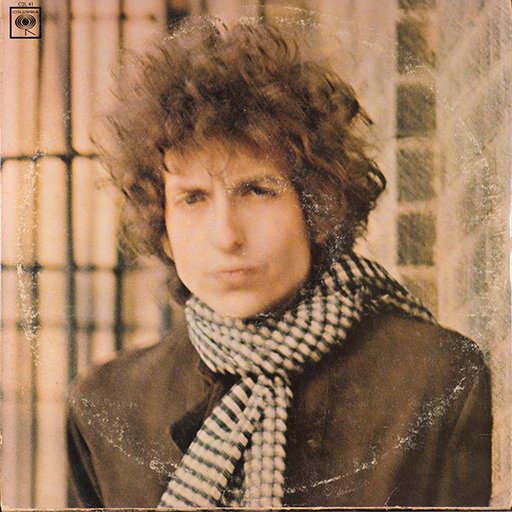
Blonde on Blonde (1966)

Bob Dylan
Blonde on Blonde by Bob Dylan

Released in May 1966, Bob Dylan's 'Blonde on Blonde' emerged as a groundbreaking double album that melded rock, folk, and blues into a cohesive masterpiece. Recorded in Nashville, it was one of the earliest double albums in rock music history, showcasing its ambition and influence. The album was met with critical acclaim upon release, with many hailing it as one of the greatest albums of all time. Its innovative use of studio techniques and lyrical depth marked a significant evolution in Dylan's artistry. Musically, 'Blonde on Blonde' is notable for its fusion of genres, featuring electric guitars, organ, and a full band, which was a departure from Dylan's earlier folk-centric sound. Standout tracks such as 'Rainy Day Women #12 & 35,' with its catchy refrain and brass instrumentation, and the haunting 'Just Like a Woman,' exemplify Dylan's lyrical prowess and musical experimentation. Additionally, 'Visions of Johanna,' often regarded as a pinnacle of songwriting, showcases surreal imagery and complex emotions. When collecting 'Blonde on Blonde' vinyl, enthusiasts should pay attention to pressing variations, particularly the original Columbia Records mono pressing (CL 36067) and the later stereo versions (CS 9601). The original mono pressing is highly sought after, with matrix numbers such as XSM 1001-1A and XSM 1002-1A indicating early pressings. Collectors also appreciate the appeal of label variations, including the 1970s reissues on the orange label. Current market value ranges from $20 for less-than-ideal condition copies to upwards of $300 for pristine originals in mono. Condition is crucial, as many pressings suffer from surface noise or wear, making well-maintained copies particularly desirable. Collectors seek 'Blonde on Blonde' not only for its musical significance but also for its cultural impact and the evolution of Bob Dylan as an artist. This album remains a definitive statement in rock history, making it a must-have for any serious vinyl collector.

Standout Tracks:
  • Rainy Day Women #12 & 35
  • Just Like a Woman
  • Visions of Johanna
Pressing Notes: Look for original mono pressings (CL 36067) and stereo versions (CS 9601) with early matrix numbers like XSM 1001-1A.
Value: $20-$300 Collectibility: High

Vinyl Collector Tip #99

Cleaning

Mastering Vinyl Care for Longevity

When it comes to record collecting, proper vinyl care is essential for preserving both sound quality and the value of your investment. Dust, fingerprints, and grime can significantly affect playback, leading to distortion and skips. You should clean your records regularly, ideally before each listening session. Invest in a quality carbon fiber brush for dry cleaning; it effectively removes dust without scratching the surface. For deeper cleans, use a specialized record cleaning solution and a microfiber cloth to avoid lint residue. This simple maintenance can preserve the value of your records, especially for rare finds worth $100 or more. Regular cleaning not only enhances your listening experience but also prolongs the life of your vinyl, keeping your collection in top condition for years to come. Remember to store your records vertically and away from direct sunlight to further protect them. Additionally, consider investing in a vinyl record cleaning machine if your collection grows; it can save you time and ensure a thorough clean without risking damage.

By following these steps, you’ll not only enjoy the rich sound of your records but also protect your investment for the long haul.

Pro Tip: For an extra layer of protection, use anti-static inner sleeves when storing your records.

Vinyl Market Pulse

↑ Up

Blues Vinyl: Market Trends for 2026

The vinyl market for Blues records is experiencing a notable resurgence in 2026, with collectors eager to snap up both classic and contemporary titles. Original pressings of legendary artists like B.B. King and Muddy Waters are now commanding prices upwards of $200, a significant increase from approximately $50 last year. This surge can be attributed to a combination of nostalgia, the recent passing of influential Blues artists, and a slew of documentaries that highlight the genre's rich history. As younger generations discover the deep roots of Blues through streaming and film, the demand for vinyl has intensified.

Collectors are advised to focus on rare pressings, particularly those with unique album art or limited releases. Look out for reissues from respected labels, as they often appreciate in value over time. Selling duplicates or lower-demand titles can free up funds for more sought-after records.

Looking ahead, the outlook for Blues vinyl remains optimistic. As appreciation for the genre grows, we anticipate prices will continue to rise, making it a solid investment for collectors. The ongoing interest in vinyl records as a physical format also supports this trend, ensuring that Blues remains a vibrant part of the collecting landscape.

Hot Artists: B.B. King, Muddy Waters, Etta James

Genre Spotlight

Reggae

The Essential Guide to Reggae Vinyl Collecting

Reggae vinyl collecting is a vibrant and rewarding pursuit that taps into the rich history of Jamaican music, offering collectors a chance to own a piece of cultural history. Originating in the late 1960s, reggae emerged from ska and rocksteady, with roots deeply embedded in Rastafarian culture and social commentary. The golden era of reggae, spanning the 1970s to early 1980s, saw the genre blossom, thanks to influential movements like roots reggae, which emphasized spiritual and social themes, and dancehall, which brought a more upbeat and accessible sound.

Essential to any reggae vinyl collection are the artists who shaped the genre. Bob Marley is arguably the most famous reggae musician, known for albums like "Catch a Fire" (1973), which introduced reggae to a global audience. Peter Tosh, a founding member of The Wailers, infused reggae with political activism, notably in his album "Legalize It" (1976). Burning Spear, with his deep roots reggae sound, crafted timeless classics like "Marcus Garvey" (1975), while Toots and the Maytals brought ska to mainstream consciousness with their energetic performances and songs like "Pressure Drop" (1970). Other key figures include Jimmy Cliff, known for his iconic film and soundtrack "The Harder They Come" (1972), and Lee Scratch Perry, revered as a pioneer of dub music, whose innovative production techniques are celebrated on albums like "Super Ape" (1976).

For collectors, certain albums stand out as must-haves. Bob Marley's "Exodus" (1977) is often cited as one of the greatest albums of all time, blending reggae with rock elements. Peter Tosh's "Equal Rights" (1977) is a powerful statement on human rights and justice, while Burning Spear's "Columbus" (1987) showcases his deep spiritual and historical themes. Toots and the Maytals' "Funky Kingston" (1973) is an essential crossover album that captures the genre's upbeat spirit. Lastly, consider adding Lee Scratch Perry's "The Upsetter" (1970) to grasp the essence of reggae's experimental side.

When diving into reggae vinyl collecting, it's crucial to know what to look for. Pay attention to pressing information, as first presses often hold more value. Labels like Studio One, Trojan, and Island Records are significant, with rare variants such as colored vinyl or limited editions being highly sought after.

The current market for reggae records is flourishing, with collectibility at a high level. Prices can range from $20 for more common titles to $500 or more for rare albums, especially those in mint condition or with unique variants. Collectors often seek out original

Featured Rarity

Why This Album Is Worth Thousands

What's Going On by Marvin Gaye (1971)

Marvin Gaye's 'What's Going On' is not just an album; it represents a pivotal moment in music history, blending social consciousness with emotive melodies. This masterpiece has become one of the most coveted vinyl records among collectors, with original pressings fetching impressive sums. The first pressing, released in 1971 on the Tamla label, is particularly valuable, especially if it features the original green Motown label. Collectors should watch for the deadwax etching that reads 'T-314,' signifying a true first pressing, as well as the specific matrix numbers that can enhance value.

In the collectible market, an original U.S. pressing in near-mint condition can range from $150 to an astonishing $25,000 depending on its condition and rarity. Variants like the original UK pressing on Tamla Motown or the early Columbia pressing are also sought after, with prices reflecting their unique attributes.

What makes these original pressings special is the unique artwork and packaging, which often includes the iconic album cover designed by Ernie Barnes, whose artwork captures the essence of the record. Trivia enthusiasts will appreciate that the album was inspired by Marvin Gaye's experiences during the civil rights movement, adding a layer of historical significance.

For collectors, look for the first pressing with the error on the back cover that misspells 'Psychedelic' as 'Psychedellic.' This small detail can significantly increase a record's desirability. With its timeless relevance and impeccable artistry, 'What's Going On' remains a must-have for any serious vinyl collector, making it a perfect gem for your collection!

Current Market Value: $150-$25,000