Gareth Evans (8) - Biography & Vinyl Records | SRO Records SRO Records
Austin, Texas US    New & Used Vinyl    30-Day Return Guarantee
Contact Us    Fast, Secure International Shipping

Artist

Thursday, April 9, 2026

Explore More Artists

A B C D E F G H I J K L M N O P Q R S T U V W X Y Z #
Gareth Evans (8)

Gareth Evans (8)

Gareth Evans Singer/Songwriter/Producer/Actor (Pop/Indie/Electronic)

Gareth Evans was born in Sale, Greater Manchester, England. Unsure of his future path, he found inspiration one evening at his cousin's house, where he heard "Wonderwall" by Oasis on a tape player. This moment had a profound impact on him, leading to a friend gifting him an acoustic guitar, which he began to teach himself to play around the age of 15. At 16, he took lessons in piano basics from a friend's uncle and received an old, worn piano from his grandparents for £50. He humorously recalls needing to "play it in tune... some of the keys didn't work, but it made a sound, and that was good enough."

Gareth spent two years studying a Music Technology course at City College Manchester. Following this, he dedicated himself to learning classical piano more seriously. During the next few years, he played in various bands and performed as a solo artist while practicing piano for a few hours each night at his grandparents' house. He recalls, "I always knew when the TV soaps were on... I could hear my gran shout in an Irish accent, 'Not that fecking noise again.'"

He recorded a five-track demo at SSL Studios in Watford with producer Hill Briggs. One of the tracks, "Arietta," was signed to the publishing label White Glove Music in the USA and later appeared on a compilation album released by Chromium Records. After a two-year hiatus from recording, he continued to perform solo until an encounter with a Hare Krishna in the street prompted a transformative year spent with the group. He faced a choice between living in a temple in New Zealand or remaining in England to focus on his music; he chose the latter.

During this time, he produced a significant amount of material in his home studio and released his first album, Thinking Out Loud, which sold several hundred copies in Japan and attracted attention from U.S. publishers. His appearances on radio stations and in local newspapers followed.

Gareth then moved to Bolton, where he found a home with a cellar and only one neighboring house, allowing him to build a makeshift studio and be "a little bit louder." However, he took a break from his solo career to join a three-piece band called Audio Jack as the lead guitarist and vocalist from 2007 to 2008. After the band disbanded, he returned to his solo work and recorded his first "proper" studio album, Moving in Circles, at Astar Studios in Manchester in 2008. The album featured drums by Simon Moore, known for his work on Ian Brown's recent albums, and photography by Karen McBride, who has collaborated with artists such as Oasis, Robbie Williams, and The Ting Tings.

At the end of 2009, Gareth shifted his focus from acoustic-based music to electronic music, creating his third album, The Electronic Era, which explored various electronic styles, from dance to drum and bass. He viewed this album as a "learning curve," recognizing the advancements in electronic music production since his college days. In 2010, he reached the regional finals of the UK Mic competition and created electronic music for film director Joe Obyrne.

In the summer of 2011, Gareth spent a brief period in Cyprus working as an entertainer playing covers, but he soon realized this was not his calling and returned to recording and producing a new album. Upon returning to Bolton after ten days in Cyprus, he lived modestly for six months while honing his music production skills and recording a new album. In 2012, he released two singles, "Wrong Side of Town" and "Undercover," followed by the album Everything Relative, which encompassed a range of styles from psychedelic pop to drum and bass.

As 2013 began, Gareth had two new singles lined up and planned the release of a new album toward the end of the year, affirming, "Whatever style of music you like, you will always find a song in Gareth Evans's music."

Browse by Era

Latest Vinyl News

Xylitol – Blumenfantasie

Xylitol Blumenfantasie The Brighton-based DJ and producer grapples with the physical matter of sound – with electrifying results Blumenfantasie by Xylitol When I first read a description of the...

The QuietusReviews
Read Full Article

Albums by Gareth Evans (8)

No products currently available for this artist. Check back soon!

On This Day in Music History

The Beatles' Final Public Performance (1969)

On April 9, 1969, the music world experienced a pivotal moment when The Beatles conducted their final public performance atop the Apple Corps building in London. This impromptu rooftop concert was part of the filming for their documentary 'Let It Be', capturing the legendary band in a raw and spontaneous setting. The performance featured iconic tracks such as 'Get Back' and 'Don't Let Me Down', resonating deeply with fans and marking a significant transition in the band's dynamic as they approached their eventual breakup.

While the rooftop performance was only a short set of tunes, it was profoundly impactful. The event was not only a nostalgic farewell for the band but also showcased their innovative spirit, blending music and film in a way that had never been done before. In total, the performance lasted about 42 minutes, but it left an indelible mark on each of the band members' careers.

When 'Let It Be' was officially released later in 1970, it became one of their most discussed albums, though it was met with mixed reviews. Despite this, it included chart-topping hits that resonated with audiences globally, ensuring that The Beatles' influence would endure. The original pressing of the album on vinyl remains a coveted item for collectors, often sought after in near-mint condition.

The rooftop concert itself encapsulated the essence of The Beatles – their ability to blend creativity with spontaneity while capturing the spirit of an era. Their final public performance became a symbol of the 1960s, a decade defined by cultural upheaval and musical exploration. Even decades later, the legacy of that fateful day continues to inspire musicians and fans alike, solidifying The Beatles' position as one of the most influential bands in music history.

Rock The Beatles

Album of the Week

Rock

Blonde on Blonde (1966)

Bob Dylan
Blonde on Blonde by Bob Dylan

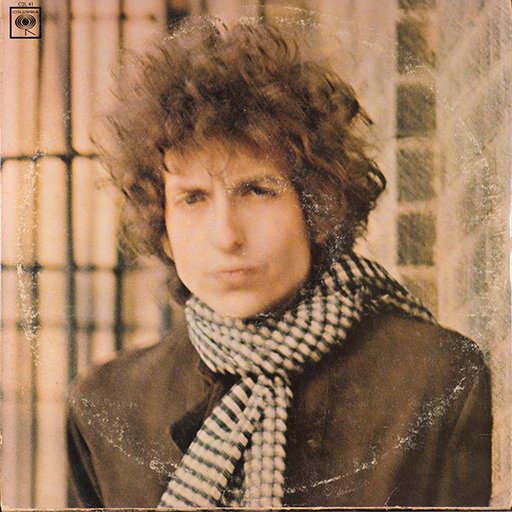
Released in May 1966, Bob Dylan's 'Blonde on Blonde' emerged as a groundbreaking double album that melded rock, folk, and blues into a cohesive masterpiece. Recorded in Nashville, it was one of the earliest double albums in rock music history, showcasing its ambition and influence. The album was met with critical acclaim upon release, with many hailing it as one of the greatest albums of all time. Its innovative use of studio techniques and lyrical depth marked a significant evolution in Dylan's artistry. Musically, 'Blonde on Blonde' is notable for its fusion of genres, featuring electric guitars, organ, and a full band, which was a departure from Dylan's earlier folk-centric sound. Standout tracks such as 'Rainy Day Women #12 & 35,' with its catchy refrain and brass instrumentation, and the haunting 'Just Like a Woman,' exemplify Dylan's lyrical prowess and musical experimentation. Additionally, 'Visions of Johanna,' often regarded as a pinnacle of songwriting, showcases surreal imagery and complex emotions. When collecting 'Blonde on Blonde' vinyl, enthusiasts should pay attention to pressing variations, particularly the original Columbia Records mono pressing (CL 36067) and the later stereo versions (CS 9601). The original mono pressing is highly sought after, with matrix numbers such as XSM 1001-1A and XSM 1002-1A indicating early pressings. Collectors also appreciate the appeal of label variations, including the 1970s reissues on the orange label. Current market value ranges from $20 for less-than-ideal condition copies to upwards of $300 for pristine originals in mono. Condition is crucial, as many pressings suffer from surface noise or wear, making well-maintained copies particularly desirable. Collectors seek 'Blonde on Blonde' not only for its musical significance but also for its cultural impact and the evolution of Bob Dylan as an artist. This album remains a definitive statement in rock history, making it a must-have for any serious vinyl collector.

Standout Tracks:
  • Rainy Day Women #12 & 35
  • Just Like a Woman
  • Visions of Johanna
Pressing Notes: Look for original mono pressings (CL 36067) and stereo versions (CS 9601) with early matrix numbers like XSM 1001-1A.
Value: $20-$300 Collectibility: High

Vinyl Collector Tip #99

Cleaning

Mastering Vinyl Care for Longevity

When it comes to record collecting, proper vinyl care is essential for preserving both sound quality and the value of your investment. Dust, fingerprints, and grime can significantly affect playback, leading to distortion and skips. You should clean your records regularly, ideally before each listening session. Invest in a quality carbon fiber brush for dry cleaning; it effectively removes dust without scratching the surface. For deeper cleans, use a specialized record cleaning solution and a microfiber cloth to avoid lint residue. This simple maintenance can preserve the value of your records, especially for rare finds worth $100 or more. Regular cleaning not only enhances your listening experience but also prolongs the life of your vinyl, keeping your collection in top condition for years to come. Remember to store your records vertically and away from direct sunlight to further protect them. Additionally, consider investing in a vinyl record cleaning machine if your collection grows; it can save you time and ensure a thorough clean without risking damage.

By following these steps, you’ll not only enjoy the rich sound of your records but also protect your investment for the long haul.

Pro Tip: For an extra layer of protection, use anti-static inner sleeves when storing your records.

Vinyl Market Pulse

↑ Up

Blues Vinyl: Market Trends for 2026

The vinyl market for Blues records is experiencing a notable resurgence in 2026, with collectors eager to snap up both classic and contemporary titles. Original pressings of legendary artists like B.B. King and Muddy Waters are now commanding prices upwards of $200, a significant increase from approximately $50 last year. This surge can be attributed to a combination of nostalgia, the recent passing of influential Blues artists, and a slew of documentaries that highlight the genre's rich history. As younger generations discover the deep roots of Blues through streaming and film, the demand for vinyl has intensified.

Collectors are advised to focus on rare pressings, particularly those with unique album art or limited releases. Look out for reissues from respected labels, as they often appreciate in value over time. Selling duplicates or lower-demand titles can free up funds for more sought-after records.

Looking ahead, the outlook for Blues vinyl remains optimistic. As appreciation for the genre grows, we anticipate prices will continue to rise, making it a solid investment for collectors. The ongoing interest in vinyl records as a physical format also supports this trend, ensuring that Blues remains a vibrant part of the collecting landscape.

Hot Artists: B.B. King, Muddy Waters, Etta James

Genre Spotlight

Reggae

The Essential Guide to Reggae Vinyl Collecting

Reggae vinyl collecting is a vibrant and rewarding pursuit that taps into the rich history of Jamaican music, offering collectors a chance to own a piece of cultural history. Originating in the late 1960s, reggae emerged from ska and rocksteady, with roots deeply embedded in Rastafarian culture and social commentary. The golden era of reggae, spanning the 1970s to early 1980s, saw the genre blossom, thanks to influential movements like roots reggae, which emphasized spiritual and social themes, and dancehall, which brought a more upbeat and accessible sound.

Essential to any reggae vinyl collection are the artists who shaped the genre. Bob Marley is arguably the most famous reggae musician, known for albums like "Catch a Fire" (1973), which introduced reggae to a global audience. Peter Tosh, a founding member of The Wailers, infused reggae with political activism, notably in his album "Legalize It" (1976). Burning Spear, with his deep roots reggae sound, crafted timeless classics like "Marcus Garvey" (1975), while Toots and the Maytals brought ska to mainstream consciousness with their energetic performances and songs like "Pressure Drop" (1970). Other key figures include Jimmy Cliff, known for his iconic film and soundtrack "The Harder They Come" (1972), and Lee Scratch Perry, revered as a pioneer of dub music, whose innovative production techniques are celebrated on albums like "Super Ape" (1976).

For collectors, certain albums stand out as must-haves. Bob Marley's "Exodus" (1977) is often cited as one of the greatest albums of all time, blending reggae with rock elements. Peter Tosh's "Equal Rights" (1977) is a powerful statement on human rights and justice, while Burning Spear's "Columbus" (1987) showcases his deep spiritual and historical themes. Toots and the Maytals' "Funky Kingston" (1973) is an essential crossover album that captures the genre's upbeat spirit. Lastly, consider adding Lee Scratch Perry's "The Upsetter" (1970) to grasp the essence of reggae's experimental side.

When diving into reggae vinyl collecting, it's crucial to know what to look for. Pay attention to pressing information, as first presses often hold more value. Labels like Studio One, Trojan, and Island Records are significant, with rare variants such as colored vinyl or limited editions being highly sought after.

The current market for reggae records is flourishing, with collectibility at a high level. Prices can range from $20 for more common titles to $500 or more for rare albums, especially those in mint condition or with unique variants. Collectors often seek out original

Featured Rarity

Why This Album Is Worth Thousands

What's Going On by Marvin Gaye (1971)

Marvin Gaye's 'What's Going On' is not just an album; it represents a pivotal moment in music history, blending social consciousness with emotive melodies. This masterpiece has become one of the most coveted vinyl records among collectors, with original pressings fetching impressive sums. The first pressing, released in 1971 on the Tamla label, is particularly valuable, especially if it features the original green Motown label. Collectors should watch for the deadwax etching that reads 'T-314,' signifying a true first pressing, as well as the specific matrix numbers that can enhance value.

In the collectible market, an original U.S. pressing in near-mint condition can range from $150 to an astonishing $25,000 depending on its condition and rarity. Variants like the original UK pressing on Tamla Motown or the early Columbia pressing are also sought after, with prices reflecting their unique attributes.

What makes these original pressings special is the unique artwork and packaging, which often includes the iconic album cover designed by Ernie Barnes, whose artwork captures the essence of the record. Trivia enthusiasts will appreciate that the album was inspired by Marvin Gaye's experiences during the civil rights movement, adding a layer of historical significance.

For collectors, look for the first pressing with the error on the back cover that misspells 'Psychedelic' as 'Psychedellic.' This small detail can significantly increase a record's desirability. With its timeless relevance and impeccable artistry, 'What's Going On' remains a must-have for any serious vinyl collector, making it a perfect gem for your collection!

Current Market Value: $150-$25,000