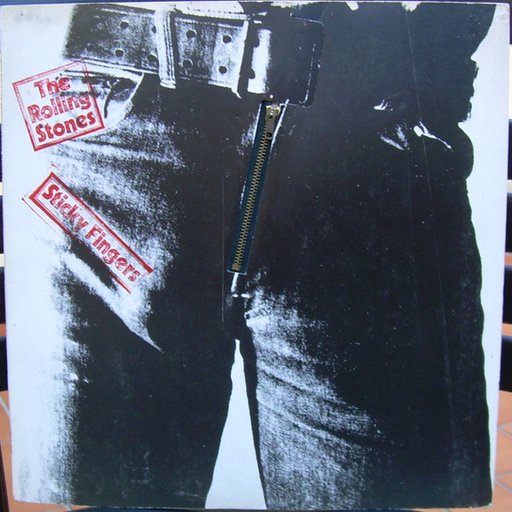
On April 16, 1980, the post-punk world was forever altered with the release of Joy Division's seminal album 'Closer.' Following the band's groundbreaking debut, 'Unknown Pleasures,' this album solidified their place in music history. With haunting tracks like 'Love Will Tear Us Apart' and 'Isolation,' 'Closer' painted a dark yet compelling picture of despair and emotional turbulence. The record was a remarkable commercial success, peaking at number 6 on the UK Albums Chart and gaining a cult following that endures to this day. The original pressing of 'Closer' is a prized possession among vinyl collectors, often sought after for its striking cover art and immersive sound that encapsulates the bleak yet beautiful essence of the band's unique style. Vinyl enthusiasts recognize the limited vinyl releases of the album that have emerged over the years, including the 2015 remastered edition, which has rekindled interest in the band's profound impact on alternative music. Joy Division's music resonated deeply not only within the UK but also around the world, influencing countless artists and movements in the decades that followed. Tragically, the band's frontman, Ian Curtis, passed away just a few days before their U.S. tour was set to begin, adding a haunting layer to the album's legacy. Despite this heart-wrenching loss, 'Closer' remains a testament to Joy Division's genius and emotional depth. The album has inspired a myriad of genres, from goth to indie rock, proving that even in darkness, music can shine brightly. Today, 'Closer' stands as an iconic record, forever etched in the annals of music history, inviting listeners to explore the depths of human emotion through the power of vinyl.

The Mickey Finn
The British mod rock group known as Mickey Finn was active during the 1960s.
Initially formed under the name Central Sound, the band began their journey on the ska label Blue Beat, which emerged alongside the Jamaican music craze in 1964. Transitioning to Oriole Records, they embraced an R&B and beat sound, occasionally collaborating with guitarist Jimmy Page.
Throughout 1965 and 1966, the band showcased their talent for soulful ballads with singles produced by Shel Talmy, including "The Sporting Life" and "I Do Love You." In 1967, they released one of the standout tracks of the British psychedelic era, “Garden of My Mind,” on the Polydor label.
While Mickey Finn did not achieve significant commercial success, their experiences in the 1960s took them from the East End of London to fashionable clubs in the South of France and the Bahamas. A comprehensive collection of their recordings serves as a testament to their adventurous spirit, featuring all their released tracks as well as previously unissued recordings from 1966 that had not been available on vinyl until now.
The group originated in London’s Bethnal Green in 1962, formed by guitarist Mickey Waller and drummer Richard Brand. By late 1963, they had added bass player John Burkett and lead singer Alan Mark, at which point they adopted the name Central Sound. In 1964, the Blue Beat label released a single credited to an imaginary group, Mickey Finn & the Blue Men, featuring members of the Checkmates. With the addition of keyboardist John "Fluff" Cooke, the band began their recording career in March 1964 with a single that included bluebeat interpretations of Bo Diddley’s "Pills" and Jimmy Reed’s "Hush Your Mouth," recorded at Regent Sound with Jimmy Page contributing harmonica.
Page also performed at several shows with them and played harmonica on their subsequent single, a rendition of Chuck Berry's "Reelin' and Rockin'" paired with the original composition "I Still Want You." In March 1965, Shel Talmy took over production for their next release, "Night Comes Down," which featured Mark's haunting vocals, a tense bass line from new member Mick Stannard, atmospheric keyboards from Fluff, and dissonant guitar contributions from Waller and Page. Another Talmy-produced track, "It Ain't Necessarily So," was also recorded during this time.
Despite a busy live performance schedule, including a package tour with the Kinks, the Yardbirds, and Goldie & the Gingerbreads, the next single from Mickey Finn didn’t arrive until July 1966. This Polydor release featured Mark, accompanied by session musicians, on a cover of Billy Stewart's "Because I Love You" and the song "If I Had You Baby," written by Pam Sawyer and Lori Burton. However, it was the band’s own recordings of Lloyd Price's "Stagger Lee" and Bobby Bland's "Poverty," cut at Regent Sound in 1966 but not released at the time, that truly showcased their sound. By 1967, Bernard Jory had replaced Mick Stannard, leading to the explosive release of "Garden of My Mind," backed by the energetic "Time to Start Loving You," reminiscent of the Equals' style.