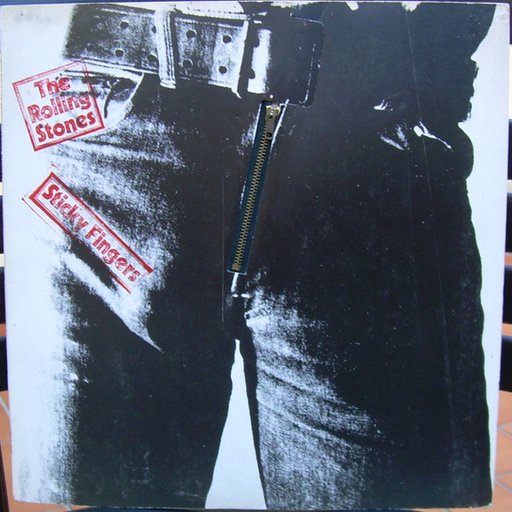
On April 16, 1980, the post-punk world was forever altered with the release of Joy Division's seminal album 'Closer.' Following the band's groundbreaking debut, 'Unknown Pleasures,' this album solidified their place in music history. With haunting tracks like 'Love Will Tear Us Apart' and 'Isolation,' 'Closer' painted a dark yet compelling picture of despair and emotional turbulence. The record was a remarkable commercial success, peaking at number 6 on the UK Albums Chart and gaining a cult following that endures to this day. The original pressing of 'Closer' is a prized possession among vinyl collectors, often sought after for its striking cover art and immersive sound that encapsulates the bleak yet beautiful essence of the band's unique style. Vinyl enthusiasts recognize the limited vinyl releases of the album that have emerged over the years, including the 2015 remastered edition, which has rekindled interest in the band's profound impact on alternative music. Joy Division's music resonated deeply not only within the UK but also around the world, influencing countless artists and movements in the decades that followed. Tragically, the band's frontman, Ian Curtis, passed away just a few days before their U.S. tour was set to begin, adding a haunting layer to the album's legacy. Despite this heart-wrenching loss, 'Closer' remains a testament to Joy Division's genius and emotional depth. The album has inspired a myriad of genres, from goth to indie rock, proving that even in darkness, music can shine brightly. Today, 'Closer' stands as an iconic record, forever etched in the annals of music history, inviting listeners to explore the depths of human emotion through the power of vinyl.

David Myers (5)
Date of Birth: 8 May 1914, Auburn, New York, USA Date of Death: 26 August 2004, Marin County, California, USA
David Myers was a highly respected cinematographer known for his significant contributions to rock-'n-roll music documentaries throughout a career that spanned five decades. Born on May 8, 1914, in Auburn, New York, Myers was inspired to pursue photography after viewing a showcase of Walker Evans' work at the New York Museum of Modern Art in 1938. During his studies at Antioch College, he worked for the Farm Security Administration and served as a conscientious objector during World War II, engaging in tree planting for the U.S. Forest Service and photographing patients at a mental hospital in Spokane, Washington, before entering the film industry.
His breakthrough came when renowned photographer Imogen Cunningham advocated for his involvement in a short feature, leading to his direction of the documentary short Ask Me, Don't Tell Me (1961). In the 1960s, Myers traveled globally, capturing documentaries for both National Geographic and the United Nations, establishing himself as a pioneer in cinema verité. His pivotal role in the Oscar-winning documentary Woodstock (1970) solidified his reputation as a leading cinematographer in the genre.
Following Woodstock, he photographed a range of notable rock documentaries, including Johnny Cash in San Quentin (1969), Elvis on Tour (1972), Mad Dogs & Englishmen (1971), Soul to Soul (1971), Wattstax (1973), Let the Good Times Roll (1973), Save the Children (1973), The Grateful Dead (1977), Martin Scorsese's The Last Waltz (1978), Neil Young's Rust Never Sleeps (1979), and Joni Mitchell's Shadows and Light (1980). Myers also contributed to the Oscar-winning documentary Marjoe (1972) and the speculative documentary The Mysterious Monsters (1975).
In addition to his documentary work, Myers served as cinematographer on feature films such as George Lucas' debut THX 1138 (1971), Welcome to L.A. (1976), Bob Dylan's Renaldo and Clara (1978), FM (1978), Roadie (1980), Zoot Suit (1981), and UFOria (1985). He was honored as a member of the Society of Operating Cameramen. David Myers passed away at the age of 90 due to a stroke on August 26, 2004.