Caballo Loco (3) - Biography & Vinyl Records | SRO Records SRO Records
Austin, Texas US    New & Used Vinyl    30-Day Return Guarantee
Contact Us    Fast, Secure International Shipping

Artist

Friday, March 20, 2026

Explore More Artists

A B C D E F G H I J K L M N O P Q R S T U V W X Y Z #
Caballo Loco (3)

Caballo Loco (3)

Caballo Loco fue una influyente banda de Guatemala que se destacó por su fusión del rock psicodélico con el pop, incorporando riffs de guitarra eléctrica y acústica, gracias al talento del prodigioso Raúl Maquín. Junto a grupos como Apple Pie, S.O.S, Sante Fe, Plástico Pesado, Siglo XX, Cuerpo y Alma, y Módulo 5, Caballo Loco revolucionó la perspectiva de vida de los jóvenes durante más de tres décadas. En una época en la que la policía conocida como Los Judiciales realizaba redadas contra los jóvenes con cabello largo y pantalones acampanados, la banda emergió como un símbolo de resistencia. A pesar de las adversidades de un entorno marcado por la represión y el conflicto armado que afectó a la población indígena, Caballo Loco se destacó en lo que se conoció como el "Rock de la Guerra".

La banda encontró su lugar en un contexto de violencia, ofreciendo a la juventud una alternativa frente a la opresión. Este movimiento musical tuvo un impacto significativo, conduciendo al nacimiento del rock en Guatemala, donde varias de estas bandas lograron avanzar y grabar canciones, algunas de las cuales aún se presentan en pequeños venues.

Caballo Loco solía tocar en lugares de bajo presupuesto, interpretando tanto sus propias composiciones como versiones de artistas de la época, incluyendo a Led Zeppelin, Santana y The Rolling Stones. A pesar del paso de las décadas, el rock continúa siendo un vínculo entre los miembros de la banda. Los recuerdos de los días de cabello largo, pantalones acampanados y clásicos como "Satisfaction," "Cocaine" y "Born to Be Wild" son particularmente preciados por los integrantes de Caballo Loco, quienes en la década de 1970 llenaban conciertos en el Instituto Central, La Escuela de Comercio, el Instituto Centro América y el Rafael Aqueche, organizados por la Asociación de Estudiantes.

Los integrantes de la banda, Raúl Maquín, conocido como "sicodélico"; Carlos Zepeda, apodado "Toro"; Jorge Melgar, "zope"; Carlos Díaz; y el vocalista principal, Marco Tulio Quiñónez, más conocido como "Cracker," reinterpretaron la música de artistas como The Beatles, Led Zeppelin y The Rolling Stones. A medida que los años han pasado, algunos de los miembros se han reunido para recopilar sus interpretaciones pasadas y lanzarlas en un disco compacto. Rodolfo Sopón, quien está a cargo de la producción, ha conservado grabaciones en un casete de varios conciertos en vivo de la banda y menciona que muchos aficionados aún preguntan por ellos.

A pesar del tiempo transcurrido, los rockeros mantienen frescas en su memoria las letras de sus grandes éxitos. Cracker, considerado el alma del grupo, eligió el nombre "Caballo Loco," el cual, según él, representaba no solo la música, sino también la ideología de la época. En aquellos días, las fiestas podían durar desde las 9 de la mañana hasta las 10 de la noche, con hasta cuatro presentaciones en una semana. Carlos Díaz recuerda esos momentos como "buenos toques" en un periodo de intensa represión, donde la influencia del movimiento hippie era palpable.

En presentaciones recientes en lugares como Danny’s o La Bodeguita del Centro, los veteranos de Caballo Loco han comprobado que sus seguidores de antaño los recuerdan. Cracker, que actualmente trabaja en pintura comercial, menciona que en ocasiones lo invitan a subir al escenario para cantar. Para músicos de generaciones posteriores, como Charlie Vásquez, exintegrante de los Guerreros del Metal, Caballo Loco abrió camino y representó la auténtica imagen del movimiento hippie en Guatemala, dejando una huella imborrable en la historia musical del país.

Integrantes: - Raúl Maquín - Carlos Zepeda - Jorge Melgar - Carlos Díaz - Marco Tulio Quiñónez (Cracker)

Fuentes: [Throne777kingdom](http://throne777kingdom.blogspot.com/2011/11/caballo-loco.html), [Las Entrevistas de Heidy](http://lasentrevistasdeheidy.blogspot.com/2014/03/la-cara-amiga-del-grupo-caballo-loco.html)
Browse by Era

Latest Vinyl News

Albums by Caballo Loco (3)

No products currently available for this artist. Check back soon!

On This Day in Music History

The Release of 'What's Going On' by Marvin Gaye (1971)

On March 20, 1971, Marvin Gaye transformed the landscape of soul music with the release of his iconic album 'What's Going On.' This groundbreaking record not only showcased Gaye's mesmerizing voice but also his deep concern for social issues, touching on themes of love, war, and the environment. Upon its release, 'What's Going On' reached number one on the Billboard 200 chart and became a fixture in the hearts of fans, selling over two million copies in just its first year.

The album's title track was a poignant reflection of the tumultuous times America faced during the late 1960s and early 1970s. It resonated with listeners who were grappling with the Vietnam War and civil rights movements, reflecting a deeper consciousness that was emerging in popular music. This powerful single climbed to the top of the R&B charts, establishing Gaye as not only a prominent artist but also a social commentator.

'What's Going On' was revolutionary, as it broke away from the traditional pop format, offering a seamless blend of jazz, funk, and orchestral soul. The lush arrangements and introspective lyrics paved the way for future generations of artists to explore personal and political themes within their music. Fans today continue to celebrate the album’s legacy, with original pressings highly sought after by vinyl collectors for their sonic warmth and historical value. Limited vinyl releases celebrating its anniversary have further cemented its status as a timeless classic.

Ultimately, Marvin Gaye's 'What's Going On' remains a profound touchstone in music history, influencing countless artists across genres while reminding listeners of the power of music as a vehicle for change and understanding.

Soul Marvin Gaye

Album of the Week

Jazz

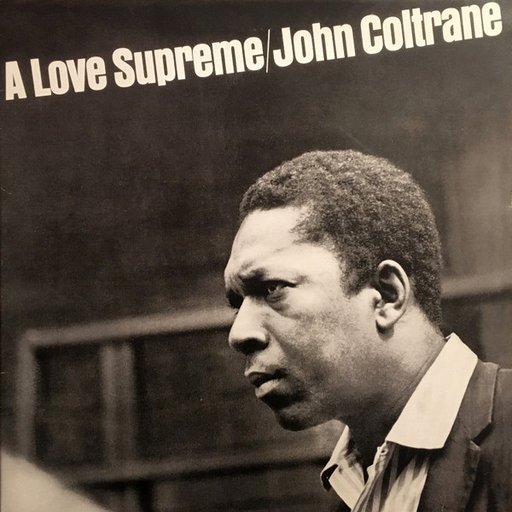
A Love Supreme (1965)

John Coltrane
A Love Supreme by John Coltrane

Released in 1965, 'A Love Supreme' is a landmark album in the world of jazz, showcasing the profound spiritual journey of John Coltrane. Recorded in a single session at Van Gelder Studio in Englewood Cliffs, New Jersey, the album was released on Impulse! Records and quickly became a critical and commercial success. Coltrane's exploration of spirituality through music resonated with listeners, establishing him as a pivotal figure in jazz. The album has been celebrated not only for its innovative sound but also for its deeply personal narrative and spiritual undertones, making it a touchstone for both musicians and fans alike. Musically, 'A Love Supreme' is significant for its innovative structure and improvisational style. The album is divided into four parts: 'Acknowledgement', 'Resolution', 'Pursuance', and 'Psalm', each contributing to a cohesive narrative arc. The standout track, 'Acknowledgement', opens with the famous four-note motif that serves as a spiritual mantra, setting the tone for the entire piece. 'Resolution' showcases Coltrane's intense saxophone work, while 'Pursuance' features an exhilarating interplay between Coltrane and drummer Elvin Jones. Collectors seeking the 'A Love Supreme' vinyl should be aware of several pressing variations. The original 1965 release in mono is highly sought after, with the black and orange label being particularly desirable. Look for matrix numbers such as AS-77 and the dead wax identifiers that often include 'RVG' for Rudy Van Gelder. Current values range from $20 for later reissues to upwards of $300 for pristine originals. Condition is paramount for this album; look for minimal surface noise and well-maintained jackets, as wear can significantly impact value. Collectors are drawn to 'A Love Supreme' not only for its musical brilliance but also for its cultural significance in the jazz canon. As a reflection of Coltrane's spiritual quest, this record has become an essential piece of vinyl history, making it a must-have for both seasoned collectors and newcomers alike.

Standout Tracks:
  • Acknowledgement
  • Resolution
  • Pursuance
Pressing Notes: Original 1965 mono pressing with black and orange label is highly desirable. Look for matrix AS-77 and 'RVG' in the dead wax.
Value: $20-$300 Collectibility: High

Vinyl Collector Tip #79

Cleaning

Mastering Vinyl Care for Longevity

To ensure your vinyl records maintain their sound quality and longevity, regular cleaning is essential. You should invest in a quality carbon fiber brush for dry cleaning. This tool effectively removes dust and debris without scratching the surface. For deeper cleaning, consider using a record cleaning solution specifically designed for vinyl. Applying a few drops to a microfiber cloth and gently wiping the grooves can help remove stubborn grime. This not only protects your investment—potentially preserving the value of records worth $100 or more—but also enhances playback quality, preventing skips and distortion.

It's crucial to clean your records before and after each use to prevent the buildup of dirt that can degrade the sound over time. Additionally, store your records vertically and in protective sleeves to safeguard them from dust and physical damage.

By adhering to these vinyl care practices, you can extend the lifespan of your collection and enjoy pristine sound quality for years to come. Remember, a well-maintained record can provide you with a rich listening experience and preserve its value in the ever-growing world of record collecting.

Pro Tip: Use distilled water in your cleaning solution to avoid mineral deposits.

Vinyl Market Pulse

↑ Up

Soul Vinyl: Market Trends for 2026

The vinyl market for Soul records has seen a remarkable surge in interest this year, driven by a blend of nostalgia, high-profile artist deaths, and a resurgence in reissues. Original pressings of classics like Marvin Gaye's 'What's Going On' have skyrocketed, now fetching over $200, up from just $50 last year. The allure of Soul music, characterized by its emotive sound and rich history, continues to captivate collectors, particularly with recent documentaries shedding light on iconic figures in the genre. As more people turn to vinyl as a tangible investment, Soul records have become a hot commodity. Collectors should focus on original pressings and significant reissues from labels like Motown and Stax, as these are likely to appreciate in value. Albums from artists like Aretha Franklin and Otis Redding are also safe bets. Selling lesser-known titles or standard reissues can help fund these more lucrative investments. Looking ahead, the outlook appears positive; as the nostalgia for classic Soul persists and the vinyl format remains popular, prices are expected to continue on an upward trajectory. Investing in Soul vinyl not only offers the chance for financial gain but also enriches your listening experience with timeless music.

Hot Artists: Marvin Gaye, Aretha Franklin, Otis Redding

Genre Spotlight

New Wave

The Essential Guide to New Wave Vinyl Collecting

New Wave emerged in the late 1970s as a dynamic genre that combined elements of punk rock, pop, and electronic music, giving birth to a sound that was both innovative and commercially viable. Often associated with the rise of synthesizers and the DIY ethos of the punk movement, New Wave became a defining genre of the 1980s. Its origins can be traced back to bands experimenting with avant-garde sounds, leading to the genre's golden era characterized by catchy melodies and a penchant for theatricality. Movements such as synth-pop and post-punk played pivotal roles in shaping the New Wave landscape, leading to a rich catalog of music that continues to resonate today.

When it comes to essential artists in New Wave, a few names stand out. First, we have Talking Heads, known for their eclectic sound and artistic music videos that redefined visual storytelling in music. Second, Blondie, whose fusion of punk and disco led to chart-topping hits like "Heart of Glass." The B-52's brought a quirky, fun vibe with their distinctive sound, while Depeche Mode pioneered the use of synthesizers, creating timeless tracks that still captivate listeners. Duran Duran, with their glam aesthetics and catchy hooks, defined the MTV generation, while The Cure's melancholic melodies and goth influences added depth to the genre. Lastly, Gary Numan brought sci-fi themes to the forefront with his groundbreaking album "Speak & Spell."

For collectors, several must-own albums define the New Wave genre. First on the list is "Speak & Spell" (1981) by Depeche Mode, featuring the hit “Just Can't Get Enough.” Next, Blondie's "Parallel Lines" (1978) is a quintessential album that showcases the band's unique blend of styles and produced classics like “Heart of Glass.” The B-52's self-titled debut (1979) is another essential, bursting with energy and creativity. Duran Duran's "Rio" (1982) is a staple for its infectious hooks and iconic tracks like “Hungry Like the Wolf.” Finally, "Remain in Light" (1980) by Talking Heads is a landmark album that pushed the boundaries of what New Wave could achieve.

When collecting New Wave vinyl, it's essential to pay attention to pressing info, labels, and rare variants. Look for first pressings, which are often marked with unique identifiers on the label. Labels like Sire, EMI, and Chrysalis are notable for their association with many New Wave acts. Additionally, limited edition colored vinyl or picture discs can significantly increase a record's value.

As of now, the market for New Wave vinyl records is thriving. Collectibility is high, with price ranges varying widely, from around $

Featured Rarity

Why This Album Is Worth Thousands

What's Going On by Marvin Gaye (1971)

Marvin Gaye's 'What's Going On' is not just an album; it represents a pivotal moment in music history, blending social consciousness with emotive melodies. This masterpiece has become one of the most coveted vinyl records among collectors, with original pressings fetching impressive sums. The first pressing, released in 1971 on the Tamla label, is particularly valuable, especially if it features the original green Motown label. Collectors should watch for the deadwax etching that reads 'T-314,' signifying a true first pressing, as well as the specific matrix numbers that can enhance value.

In the collectible market, an original U.S. pressing in near-mint condition can range from $150 to an astonishing $25,000 depending on its condition and rarity. Variants like the original UK pressing on Tamla Motown or the early Columbia pressing are also sought after, with prices reflecting their unique attributes.

What makes these original pressings special is the unique artwork and packaging, which often includes the iconic album cover designed by Ernie Barnes, whose artwork captures the essence of the record. Trivia enthusiasts will appreciate that the album was inspired by Marvin Gaye's experiences during the civil rights movement, adding a layer of historical significance.

For collectors, look for the first pressing with the error on the back cover that misspells 'Psychedelic' as 'Psychedellic.' This small detail can significantly increase a record's desirability. With its timeless relevance and impeccable artistry, 'What's Going On' remains a must-have for any serious vinyl collector, making it a perfect gem for your collection!

Current Market Value: $150-$25,000