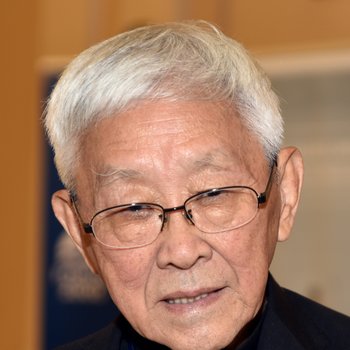
Here is an interview with Zen Bow, where he discusses his upbringing in Jamaica, his musical journey, and the origin of his name.
***
Zen Bow, can you tell us about your roots in Jamaica?
I grew up in Falmouth, which is located in the parish of Trelawny, Jamaica.
That’s the same area as the Twinkle Brothers, right?
Yes, that’s correct. We’re from the same block. I listened to them—Ralston, Norman, and the others—though they were older than I was.
Did you start singing at a young age?
I began singing in Jamaica with a local band called Righteous Roots. However, I later moved to the United States in my early twenties and worked in various jobs before returning to music.
What inspired your name, Zen Bow? I thought it might be related to the book "Zen Bow, Zen Arrow."
The name Zen Bow was actually given to me by my teacher. I’ve always loved writing, and I had a pen pal in Jamaica who would write “Zenbow” on the envelopes instead of “Zenbar.” Eventually, my classmates started calling me Zen Bow.
How did you break into the reggae scene in the United States?
In 1985, I participated in a local talent show in Hartford, Connecticut, specifically for reggae artists. I can’t recall the exact name of the event, but it was a small gathering aimed at showcasing local talent. I finished in second place, which caught the attention of a band called Crucial. Initially, I hesitated to join because I didn’t want to disrupt their leadership, but after listening to them, I liked what I heard, and they appreciated my voice as well.
So you became a member of Crucial?
Yes, I joined the band, and we performed at various venues in places like New York City, Rhode Island, and Boston throughout the year. Jimmy Swing played lead guitar, and we had a prominent bass player named Jimmy Rankin, known as "Big Bassie." Snow White was on drums. While we didn’t record any music at that time, we focused on live performances and covering songs. However, I began writing new material for the band.
Was "Impression" your first recorded song?
Yes, that was the first. The song was inspired by an incident that occurred in Hartford on a Sunday afternoon, which led to negative stereotypes about Jamaicans and dreadlocks. I became aware of how people perceived us, and that influenced the song. It stemmed from a shooting incident that I prefer not to elaborate on, but it was significant enough to motivate me to write.
You recorded the instrumental for "Impression" with Crucial?
Yes, it was with the same band, Crucial.
And why did you choose the name Gramps for your label?
Gramps was the lead singer of Righteous Roots, the group I was part of in Jamaica. His real name is David Robinson, and he currently has a band in Milwaukee called Road Damage. I wanted to pay tribute to him, so I used his name for my label.
I also know you recorded "Black and Beautiful" with King Culture.
Yes, that’s right! I was referred to King Culture for distribution in Canada. After speaking with him, we arranged a deal, and he proposed that I record. I produced that track myself. I also recorded another song called "Auction Block," but it didn’t gain much traction. It addressed the themes of rising and falling stock in relation to the history of slavery, but ultimately, it only sold about 100 copies.
How many copies of "Impression" did you manage to press?
I pressed over a thousand copies, but it remained an underground, independent release.
Did you stop producing music after that?
No, I continued producing for myself. The challenge was financial rather than a lack of time. During that period, when my type of music was emerging, the audience was more focused on different themes, which made it difficult for me to find my place. The mid-80s saw a shift in musical trends.