SRO Records | Austin, Texas USA
Austin, Texas US    New & Used Vinyl    30-Day Return Guarantee
Contact Us    Fast, Secure International Shipping

Artist

Monday, February 2, 2026

Explore More Artists

A B C D E F G H I J K L M N O P Q R S T U V W X Y Z #
Airplanes Are Better

Airplanes Are Better

Airplanes Are Better was a dynamic post-hardcore band hailing from El Paso, Texas, closely associated with notable acts such as At The Drive-In, Sparta, and The Mars Volta. The band's singular release, Power, was first made available on CD in 2001 through Restart Records, a label co-founded by Jim Ward and Paul Hinojos.

Micah Adams (guitar, vocals) often recounts that the formation of Airplanes Are Better was born out of a desire for retribution. In 1998, Phillip Tubbs (Cigarettes After Sex) initiated a band called Sid Kister with mutual friends, leaving Micah feeling overlooked for not being invited to join. Rather than retreating or pleading for inclusion, Micah chose to team up with bassist Joe Ayoub (Marked Men, Low Culture) to create a band that would surpass Sid Kister.

After developing a handful of songs with Joe, Micah invited drummer Mike Farraro to join their rehearsals. The chemistry among the trio was immediate, and Airplanes Are Better began to take shape. Throughout the summer of 1999, they dedicated themselves to crafting a unique and ambitious sound, despite knowing the project might end when Joe departed for college in Denton.

Following Joe's departure, Micah and Mike were determined to continue the momentum they had built and promptly sought a new bassist. Their search led to a chance meeting with bassist Matt Wilkson (Zechs Marquise) during a late-night gathering at the Village Inn, a local underage hangout. Matt soon joined the band, bringing with him an infectious energy and remarkable talent.

With Matt on board, Airplanes Are Better intensified their efforts, practicing eight to ten hours a day in pursuit of the same level of success achieved by their local heroes, At The Drive-In. By early fall 1999, the band was ready to perform, having transformed into a polished, high-energy act dedicated to their craft.

Their hard work quickly garnered attention, leading Jim Ward, freshly returned from a tour with At The Drive-In, to watch them perform at an outdoor show in a strip mall parking lot. Impressed by the band's passion and drive, Jim offered them a recording contract with Restart Records.

In the spring of 2000, the band entered Mike Major's Rosewood Studios to record their debut and only release, the Power EP, engineered by Mike Major and produced by Jim Ward. The three-song collection encapsulated the struggles and aspirations of the young musicians navigating a scene dominated by more established bands.

With CDs and merchandise in hand, Airplanes Are Better embarked on a self-booked tour of Texas in 2001, traveling in their beloved 1980s Econoline van, affectionately named "Chopper." Despite limited financial resources and attention, the band remained committed to their journey, performing passionately each night. Even health issues that eventually sidelined Mike Farraro from touring could not deter their resolve.

In March 2002, the trio—now consisting of Micah, Matt, and temporary drummer JC Salinas—returned to Texas to open for a SXSW showcase featuring the newly formed Sparta and the offshoot of Murder City Devils/GodheadSilo, Dead Low Tide. Following this showcase, they toured the West Coast with Sparta, performing at several prestigious venues along the I-5 corridor.

Although the experience of touring with Sparta was invigorating and presented numerous opportunities, Micah and Matt soon realized how much they missed Mike's contributions, both musically and personally. Upon returning to El Paso, they made the difficult decision to part ways with Salinas and disband Airplanes Are Better permanently.
Browse by Era

Latest Vinyl News

Albums by Airplanes Are Better

No products currently available for this artist. Check back soon!

On This Day in Music History

The Beatles' Final Public Performance (1969)

On February 2, 1969, The Beatles gave their last public performance on the rooftop of the Apple Corps building in London, a defining moment not only in the band's storied career but also in the history of rock music. This impromptu concert, which served as the climax for their film "Let It Be," was a powerful showcase of the band's talent, drawing crowds and creating a jubilant atmosphere in the streets below. As the iconic notes of 'Get Back' rang out across the city, it became clear that this was a singular event, punctuated by the band's synergy and the palpable energy of the crowd.

The performance featured classic tracks such as 'Don't Let Me Down' and 'I've Got a Feeling.' Filmed for the documentary, it captured The Beatles during a tumultuous period as they were grappling with internal conflicts yet still producing some of their most enduring work. This concert marked the last time the group performed together in public before their eventual split, making it an essential piece of music history.

The live recording from that day was later immortalized in the "Let It Be" album, which reached number one on the Billboard 200 chart and featured an original vinyl release that is highly sought after by collectors today. The rooftop concert was not only a farewell to live performances but also a powerful statement on the artistic creativity that had defined the Beatles’ legacy.

The influence of this performance cannot be understated, as it continues to resonate with fans and musicians alike, often hailed as an integral moment of the 1960s music scene. Even decades later, collectors cherish original pressings of the "Let It Be" album, a testament to its lasting appeal and the band's monumental impact on the world of music.

Rock The Beatles

Album of the Week

Rock

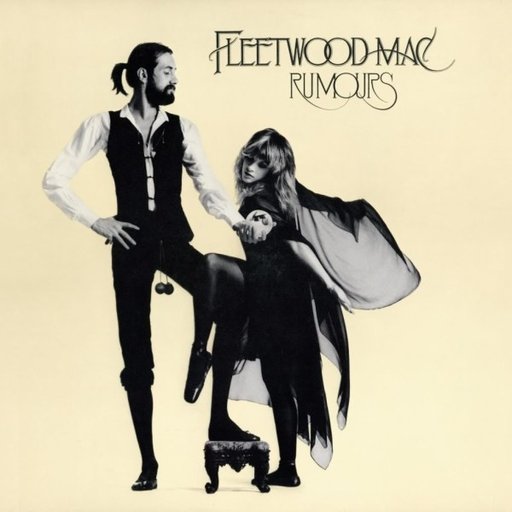
Rumours (1977)

Fleetwood Mac
Rumours by Fleetwood Mac

Released in 1977, Fleetwood Mac's 'Rumours' emerged during a tumultuous period for the band, characterized by personal conflicts and romantic entanglements. The album was recorded in California and was produced by Ken Caillat and Richard Dashut. Its release was met with massive commercial success, quickly reaching the top of the charts and staying there for an unprecedented 31 weeks. The reception was overwhelmingly positive, with critics praising its intricate harmonies and production quality, solidifying its place as a cornerstone of classic rock. 'Rumours' is not only significant for its commercial success but also for its musical innovation. The album features a blend of rock, pop, and folk influences, marked by lush arrangements and deeply emotional lyrics that resonate with listeners. Standout tracks include "Go Your Own Way," an anthem of heartbreak featuring Lindsay Buckingham's dynamic guitar work and Christine McVie's haunting vocals, and "Dreams," which showcases Stevie Nicks' ethereal voice and has become one of the band's most enduring hits. Pressing variations for 'Rumours' are abundant, with original pressings on the green Warner Bros. label being particularly sought after. Collectors should look for matrix numbers such as 2WS 3010 A and 2WS 3010 B, which indicate the first pressing. The reissues often lack the same depth of sound found in the original vinyl pressings. Current values for 'Rumours' vinyl can range from $20 for a well-worn copy to upwards of $300 for mint condition originals. Condition is crucial for this album; look for clean, scratch-free surfaces and intact album art, as these factors greatly influence collectibility. Collectors seek this album not only for its historical significance but also for its influence on the rock genre and the emotional depth of its tracks. 'Rumours' remains a defining piece of vinyl in any serious collector's library, making it a must-have Fleetwood Mac record.

Standout Tracks:
  • Go Your Own Way
  • Dreams
  • Don't Stop
Pressing Notes: Look for original pressings on the green Warner Bros. label; matrix numbers 2WS 3010 A/B indicate first pressings.
Value: $20-$300 Collectibility: High

Vinyl Collector Tip #33

Storage

Optimal Vinyl Storage for Longevity

To ensure the longevity and sound quality of your vinyl records, proper storage is paramount. You should store your records vertically, like books on a shelf, to prevent warping and bending. Keep them in a cool, dry environment away from direct sunlight and humidity, as fluctuating temperatures can damage the vinyl and degrade sound quality. Ideally, your storage space should maintain a consistent temperature between 65°F and 70°F. Utilize high-quality inner sleeves made from anti-static materials to protect your records from dust and scratches, which can preserve their $100+ value. Additionally, invest in sturdy outer sleeves to shield your album covers from wear and tear.

It's crucial to organize your collection in a way that allows easy access. This not only makes it enjoyable to browse your collection but also minimizes the risk of mishandling records. Consider labeling your records clearly, so you can quickly locate your favorites without unnecessary friction.

Taking these steps not only protects your investment in record collecting but also enhances your listening experience by ensuring optimal sound quality. Remember, a well-preserved record is a joy to play and can be a valuable asset in your collection for years to come.

Pro Tip: Consider using a hygrometer to monitor humidity levels in your storage space.

Vinyl Market Pulse

↑ Up

British Invasion Vinyl: Market Trends for 2026

The vinyl market is currently witnessing a significant resurgence in interest surrounding British Invasion records, particularly from iconic bands like The Beatles, The Rolling Stones, and The Who. Original pressings of classic albums have seen substantial price movements this year; for instance, an original pressing of The Beatles' 'Please Please Me' now commands over $200, a sharp increase from around $50 last year. This surge is largely fueled by nostalgia as older collectors reminisce about their youth, while newer generations discover these timeless sounds. Additionally, the recent passing of influential artists has prompted fans to seek out vinyl as a lasting tribute. Reissues of classic albums have also contributed to heightened interest, making these records more accessible to new collectors. For those looking to invest, focus on rare pressings, particularly colored vinyl or limited editions, which tend to appreciate faster. Avoid common reissues unless they hold sentimental value. As we look ahead, the future outlook remains positive; with continued interest from both collectors and casual listeners, prices are likely to keep rising. The vinyl renaissance shows no signs of slowing, making now an opportune time to dive into collecting trends of British Invasion records.

Hot Artists: The Beatles, The Rolling Stones, The Who

Genre Spotlight

Funk

The Essential Guide to Funk Vinyl Collecting

Funk vinyl collecting is more than just a hobby; it’s a celebration of a revolutionary genre that transformed the music landscape. Originating in the mid-1960s, funk emerged as a distinct sound characterized by its syncopated rhythms, strong bass lines, and vibrant brass sections. The genre drew influences from soul, jazz, and R&B, but it carved its own identity, marked by artists who were not afraid to push boundaries. The golden era of funk, spanning the late 1960s to the early 1980s, saw the rise of iconic movements like P-Funk, led by George Clinton, which blended psychedelic rock with funk elements, influencing countless musicians.

When it comes to essential artists in funk vinyl collecting, several names stand out. George Clinton and his bands, Parliament and Funkadelic, are pivotal, known for their elaborate live shows and concept albums. James Brown, the 'Godfather of Soul,' was instrumental in shaping the funk sound, with tracks like "Get Up (I Feel Like Being a) Sex Machine." Sly and the Family Stone brought a unique blend of rock and funk, while Earth, Wind & Fire expanded the genre with lush arrangements and harmonies. Other key figures include Curtis Mayfield, whose socially conscious lyrics resonated with many, and The Meters, who laid the groundwork for funk instrumentation.

For any collector, must-own albums are the cornerstone of a solid funk vinyl collection. Start with "Maggot Brain" (1971) by Funkadelic, a psychedelic masterpiece featuring the iconic guitar work of Eddie Hazel. Another essential is "What’s Going On" (1971) by Marvin Gaye, which, while more soulful, incorporates funk elements and remains a timeless classic. Don’t miss "Stand!" (1969) by Sly and the Family Stone, which encapsulates the spirit of the era, and "Let’s Get It On" (1973) by Marvin Gaye, a quintessential funk/soul blend. Lastly, grab a copy of "Funkentelechy vs. the Placebo Syndrome" (1977) by Parliament for a taste of the P-Funk legacy.

When collecting funk records, attention to detail is crucial. Look for original pressings, which are often marked by their unique label designs and packaging. Labels like Casablanca, Motown, and Stax are synonymous with quality funk music. Rare variants, such as colored vinyl or limited editions, can greatly increase value and appeal. Additionally, pay attention to the condition of the vinyl and sleeve, as these factors significantly affect collectibility.

Currently, the market for funk vinyl is thriving, with prices ranging from $20 for common titles to upwards of $500 for rare albums or pristine condition originals

Featured Rarity

Why This Album Is Worth Thousands

The Freewheelin' Bob Dylan by Bob Dylan (1963)

Released in 1963, 'The Freewheelin' Bob Dylan' is a cornerstone of folk music and a definitive moment in Bob Dylan's career. The album is particularly valuable due to its groundbreaking influence and several notable pressing variants. The first pressing on Columbia Records, featuring the original track listing, including songs like 'Blowin' in the Wind', is a hot item among vinyl collectors. But what truly sets this album apart are the variants—rumor has it, some early pressings mistakenly omitted two tracks, which can fetch upwards of $20,000 at auction.

The original US pressing is distinguished by its vibrant blue label with '360 Sound' on it, while the first pressing also features specific matrix numbers such as XSM-49985-1A on Side 1 and XSM-49986-1A on Side 2, which avid collectors seek. Additionally, the cover art has a notable variant: the early editions feature a photo of Dylan with his then-girlfriend Suze Rotolo, which enthusiasts cherish for its historical significance.

Current market values for this iconic vinyl can range from $150 for worn copies to an impressive $25,000 for mint-condition first pressings with the coveted error. Collectors should closely inspect the deadwax for details and ensure that the vibrant cover art has no significant wear. With its musical legacy and the thrill of the hunt, 'The Freewheelin' Bob Dylan' is a must-have for any serious vinyl collector eager to own a piece of music history.

Current Market Value: $150-$25,000