Bruce Adams - Biography & Vinyl Records | SRO Records SRO Records
Austin, Texas US    New & Used Vinyl    30-Day Return Guarantee
Contact Us    Fast, Secure International Shipping

Artist

Thursday, March 19, 2026

Explore More Artists

A B C D E F G H I J K L M N O P Q R S T U V W X Y Z #
Bruce Adams

Bruce Adams

Bob Adams is an accomplished UK trumpet and flügelhorn player, whose jazz repertoire spans from the era of Louis Armstrong to contemporary styles. He was born on July 3, 1951, in Birkenhead, Cheshire, England.

By the age of twelve, Adams was already a regular performer, playing three to four nights a week in small dance bands in the Glasgow area and participating in a cabaret act alongside his father. At fourteen, he gained significant recognition when he was sponsored on Hughie Green’s Opportunity Knocks by the esteemed British trumpet player Nat Gonella.

In 1966, at just 15 years old, Adams left school in Glasgow to tour with his father, starting with a summer season in Brighton and subsequently performing in theatres across the UK. His experience included numerous gigs in northern working men's clubs and a notable engagement at Expo 67 in Montreal. He also performed in Combined Services Entertainment shows in locations such as Aden, Malta, Libya, and Cyprus, working alongside figures like Hughie Green and Tony Hancock. This phase of his career continued until 1973, when his father's health issues necessitated the disbandment of their act.

Following this period, Adams immersed himself in the Glasgow jazz scene, initially forming a jazz quintet with alto saxophonist Bill Fanning, a prominent figure in Scottish jazz. Together, they later established a big band. Concurrently, Adams performed at the Mecca Ballrooms, first with Benny Daniels at the Plaza and later with Bill Patrick at Tiffany’s (formerly the Locarno). He also joined a big band led by Glasgow drum legend George McGowan, which competed in the 1982 Holsten Big Band Competition, where Adams was honored with both the best trumpet prize and the 'outstanding soloist prize,' judged by notable figures such as Buddy Tate, Doc Cheetham, and Max Jones. Two years later, he won the Trumpet Soloist prize in the BBC Big Band competition.

During this time, Adams also collaborated with the Scottish Radio Orchestra and the legendary Scottish Dance Band musician Tommy Sampson. In the mid-1980s, while working with vocalist Fionna Duncan, she recommended him to Mike Hart, the Festival Director of the Edinburgh Jazz Festival. This led to Adams becoming a regular performer at the festival for several years, during which he worked alongside artists such as Harry Sweets Edison, Warren Vache, Spanky Davis, Buddy Tate, Al Cohn, and many others.

Through his involvement with the festival, Adams joined Mike Hart’s Scottish Society Syncopators, which toured extensively in Germany, America, and Canada. This included performances at prominent events such as the Sacramento Jazz Festival, Victoria Jazz Festival in British Columbia, Cork Jazz Festival, Femo Jazz Festival in Denmark, Eindhoven Jazz Festival in Holland, and various other festivals throughout Germany.

In 1986, the newly established Glasgow Jazz Festival featured Adams' quartet and included him in the Benny Carter Big Band, which boasted a lineup of legendary figures from various eras of British jazz, including Bobby Orr, Tommy McQuater, and Gordon Campbell, among others. In 1990, Adams embarked on a significant tour in Germany with Bill Alldred’s tribute to Matty Matlock’s Paducah Patrol Band, collaborating with talented musicians such as Kenny Davern, Terry Myers, and Eddie Higgins. This band later reunited for festivals in Berne, Switzerland, and Decatur, Illinois.

Adams has also performed extensively across Europe with notable artists such as Pascal Michaux, Charly Antolini, and Pete York, gracing clubs and festivals in countries including Norway, Finland, Denmark, Holland, Belgium, France, Luxembourg, Germany, Austria, Switzerland, Italy, Spain, Portugal, Croatia, and Slovenia. Around this time, he recorded his debut album for Jim Simpson's Big Bear Music, titled "One Foot in the Gutter," which was followed by his first of several collaborations with Alan Barnes, "Sidestepping." Their subsequent album, "Let’s Face the Music and Dance," was released about a year later, with both works earning CD of the Year honors at the British Jazz Awards. Adams also became part of the reformed Kenny Baker Dozen during this period.

For several years, Adams held the Cat Anderson chair in Pete Long’s Echoes of Ellington, culminating in a tour with the Birmingham Royal Ballet, where he performed the Cat Anderson solo in "The Madness in Great Ones." In addition to being a featured guest soloist with the BBC Big Band, he has worked with them on a freelance basis, collaborating with renowned artists such as Lennie Niehaus and Patti Austin. He also participated in the Cuban Fire Concert alongside Horatio el Negra Hernandez and Giovanni Hidalgo.

Adams has been a guest soloist with several big bands, including the Fat Chops Big Band, Nottingham Jazz Orchestra, and the Scottish National Orchestra Big Band, among others. His ongoing partnership with Alan Barnes continues to thrive through their quintet and numerous suites for septet and octet.
Browse by Era

Latest Vinyl News

White Flowers – “Heaven”

White Flowers is darkwave duo Katie Drew and Joey Cobb. They’ve got a new album Dreams For Somebody Else, the follow-up to their 2021 debut album Day By Day, coming out in May. They’ve already...

StereogumNew Music
Read Full Article

Cola – “Conflagration Mindset”

Last year, Tim Darcy, formerly of Ought and currently of Cola, was one of many musicians whose homes were destroyed in the LA wildfires. On Cola’s new song “Conflagration Mindset,” Darcy sings...

StereogumNew Music
Read Full Article

Jorja Smith – “Price Of It All”

Bait, the new comedy series from acclaimed actor and sometimes rapper Riz Ahmed, is coming to Prime Video next week. Promo materials describe it as “a new six-part genre-bending series that follows...

StereogumNew Music
Read Full Article

Albums by Bruce Adams

No products currently available for this artist. Check back soon!

On This Day in Music History

The Beatles' Final Public Performance (1969)

On March 19, 1969, The Beatles made history with their final public performance atop the Apple Corps building in London, an iconic event that has since become legendary in rock music lore. This performance, often referred to as the "Rooftop Concert," was part of the filming for their documentary "Let It Be" and marked a poignant moment in the band's tumultuous journey. With a backdrop of London’s skyline, the group played a set that included timeless hits like "Get Back" and "Don’t Let Me Down," captivating a crowd of onlookers, gathered both on the streets and in nearby buildings.

Though the performance lasted only 42 minutes, it has left an indelible mark on music history and was the last time they played together in public. The concert's significance has been amplified over the years, especially with the release of the original pressing of the album "Let It Be" in May 1970, which reached number one on the Billboard album charts and sold millions of copies worldwide. The film capture of the rooftop performance has become a must-watch for fans, showcasing the band’s raw talent and chemistry, while also providing insight into their evolving dynamics.

The bootlegged recordings from the rooftop gig and the vinyl releases that followed have since become collector's items, with limited vinyl editions commanding high prices in today’s market. This moment not only signified the end of an era for The Beatles but also set a precedent for live performances in unconventional spaces. As music enthusiasts continue to celebrate this landmark event, its legacy endures, shaping the culture of live music for generations. The Rooftop Concert remains a quintessential touchstone in rock history, showcasing the power of performance that continues to inspire artists across diverse genres today.

Rock The Beatles

Album of the Week

Jazz

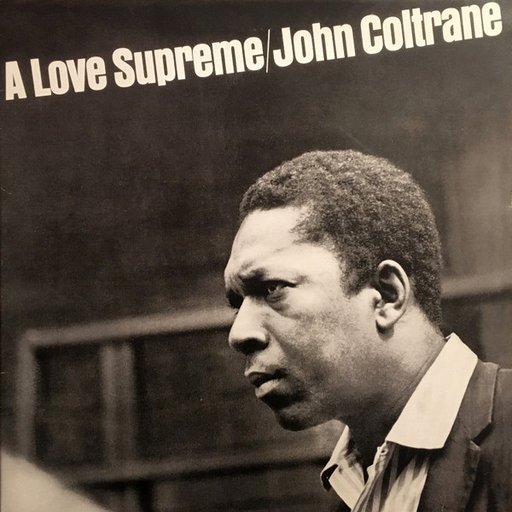
A Love Supreme (1965)

John Coltrane
A Love Supreme by John Coltrane

Released in 1965, 'A Love Supreme' is a landmark album in the world of jazz, showcasing the profound spiritual journey of John Coltrane. Recorded in a single session at Van Gelder Studio in Englewood Cliffs, New Jersey, the album was released on Impulse! Records and quickly became a critical and commercial success. Coltrane's exploration of spirituality through music resonated with listeners, establishing him as a pivotal figure in jazz. The album has been celebrated not only for its innovative sound but also for its deeply personal narrative and spiritual undertones, making it a touchstone for both musicians and fans alike. Musically, 'A Love Supreme' is significant for its innovative structure and improvisational style. The album is divided into four parts: 'Acknowledgement', 'Resolution', 'Pursuance', and 'Psalm', each contributing to a cohesive narrative arc. The standout track, 'Acknowledgement', opens with the famous four-note motif that serves as a spiritual mantra, setting the tone for the entire piece. 'Resolution' showcases Coltrane's intense saxophone work, while 'Pursuance' features an exhilarating interplay between Coltrane and drummer Elvin Jones. Collectors seeking the 'A Love Supreme' vinyl should be aware of several pressing variations. The original 1965 release in mono is highly sought after, with the black and orange label being particularly desirable. Look for matrix numbers such as AS-77 and the dead wax identifiers that often include 'RVG' for Rudy Van Gelder. Current values range from $20 for later reissues to upwards of $300 for pristine originals. Condition is paramount for this album; look for minimal surface noise and well-maintained jackets, as wear can significantly impact value. Collectors are drawn to 'A Love Supreme' not only for its musical brilliance but also for its cultural significance in the jazz canon. As a reflection of Coltrane's spiritual quest, this record has become an essential piece of vinyl history, making it a must-have for both seasoned collectors and newcomers alike.

Standout Tracks:
  • Acknowledgement
  • Resolution
  • Pursuance
Pressing Notes: Original 1965 mono pressing with black and orange label is highly desirable. Look for matrix AS-77 and 'RVG' in the dead wax.
Value: $20-$300 Collectibility: High

Vinyl Collector Tip #78

Cleaning

Mastering Vinyl Care for Longevity

Cleaning your vinyl records is essential for preserving their sound quality, longevity, and overall investment value. Dust, dirt, and fingerprints can significantly affect playback, leading to unwanted pops and skips. You should invest in a quality record cleaning kit, which typically includes a carbon fiber brush, microfiber cloth, and a cleaning solution. Start by using the carbon fiber brush to gently remove surface dust before each play; this simple step can greatly enhance the listening experience. For deeper cleaning, apply a few drops of a record cleaning solution to a microfiber cloth and wipe the record in a circular motion, following the grooves. This not only removes grime but can also preserve a record's value, as a well-maintained vinyl can retain or even increase its worth—think $100+ for rare finds. Remember to avoid using household cleaners as they can damage the vinyl. After cleaning, always store your records vertically and in a protective sleeve to shield them from dust and scratches. Regular maintenance ensures that your collection remains in pristine condition for years to come, making this practice a crucial aspect of record collecting.

Pro Tip: Use distilled water in your cleaning solution to avoid mineral buildup on your records.

Vinyl Market Pulse

↑ Up

Soul Vinyl: Market Trends for 2026

The vinyl market for Soul records has seen a remarkable surge in interest this year, driven by a blend of nostalgia, high-profile artist deaths, and a resurgence in reissues. Original pressings of classics like Marvin Gaye's 'What's Going On' have skyrocketed, now fetching over $200, up from just $50 last year. The allure of Soul music, characterized by its emotive sound and rich history, continues to captivate collectors, particularly with recent documentaries shedding light on iconic figures in the genre. As more people turn to vinyl as a tangible investment, Soul records have become a hot commodity. Collectors should focus on original pressings and significant reissues from labels like Motown and Stax, as these are likely to appreciate in value. Albums from artists like Aretha Franklin and Otis Redding are also safe bets. Selling lesser-known titles or standard reissues can help fund these more lucrative investments. Looking ahead, the outlook appears positive; as the nostalgia for classic Soul persists and the vinyl format remains popular, prices are expected to continue on an upward trajectory. Investing in Soul vinyl not only offers the chance for financial gain but also enriches your listening experience with timeless music.

Hot Artists: Marvin Gaye, Aretha Franklin, Otis Redding

Genre Spotlight

New Wave

The Essential Guide to New Wave Vinyl Collecting

New Wave emerged in the late 1970s as a dynamic genre that combined elements of punk rock, pop, and electronic music, giving birth to a sound that was both innovative and commercially viable. Often associated with the rise of synthesizers and the DIY ethos of the punk movement, New Wave became a defining genre of the 1980s. Its origins can be traced back to bands experimenting with avant-garde sounds, leading to the genre's golden era characterized by catchy melodies and a penchant for theatricality. Movements such as synth-pop and post-punk played pivotal roles in shaping the New Wave landscape, leading to a rich catalog of music that continues to resonate today.

When it comes to essential artists in New Wave, a few names stand out. First, we have Talking Heads, known for their eclectic sound and artistic music videos that redefined visual storytelling in music. Second, Blondie, whose fusion of punk and disco led to chart-topping hits like "Heart of Glass." The B-52's brought a quirky, fun vibe with their distinctive sound, while Depeche Mode pioneered the use of synthesizers, creating timeless tracks that still captivate listeners. Duran Duran, with their glam aesthetics and catchy hooks, defined the MTV generation, while The Cure's melancholic melodies and goth influences added depth to the genre. Lastly, Gary Numan brought sci-fi themes to the forefront with his groundbreaking album "Speak & Spell."

For collectors, several must-own albums define the New Wave genre. First on the list is "Speak & Spell" (1981) by Depeche Mode, featuring the hit “Just Can't Get Enough.” Next, Blondie's "Parallel Lines" (1978) is a quintessential album that showcases the band's unique blend of styles and produced classics like “Heart of Glass.” The B-52's self-titled debut (1979) is another essential, bursting with energy and creativity. Duran Duran's "Rio" (1982) is a staple for its infectious hooks and iconic tracks like “Hungry Like the Wolf.” Finally, "Remain in Light" (1980) by Talking Heads is a landmark album that pushed the boundaries of what New Wave could achieve.

When collecting New Wave vinyl, it's essential to pay attention to pressing info, labels, and rare variants. Look for first pressings, which are often marked with unique identifiers on the label. Labels like Sire, EMI, and Chrysalis are notable for their association with many New Wave acts. Additionally, limited edition colored vinyl or picture discs can significantly increase a record's value.

As of now, the market for New Wave vinyl records is thriving. Collectibility is high, with price ranges varying widely, from around $

Featured Rarity

Why This Album Is Worth Thousands

Abbey Road by The Beatles (1969)

"Abbey Road" by The Beatles is not just a landmark album; it's a gold mine for vinyl collectors. Its iconic cover and legendary tracks make it one of the most sought-after records in the world. The value of this album hinges on several factors, particularly its pressing variants. The Original UK pressing on Parlophone, with its distinctive black and yellow label, boasts a matrix number of XEX 750-1 and is considered a holy grail among collectors. First pressings with the misprint, where 'Her Majesty' appears on the label but not on the jacket, can fetch a staggering price—sometimes reaching up to $25,000 depending on condition.

What truly sets original pressings apart is their unique sound quality, a rich analog warmth that many audiophiles crave—a stark contrast to modern digital formats. Additionally, the first pressing features a thicker, heavier vinyl that was a hallmark of quality in 1969.

When on the hunt for valuable copies, pay attention to the label details, as well as the deadwax inscriptions. Look for the ‘1st pressing’ indicators, such as 'Sold in the UK' text and the correct matrix numbers. Variants with the black apple label are also highly coveted among enthusiasts. The current market values for original pressings range from $150 for lower-grade copies to upwards of $25,000 for pristine ones. This album isn't just a record; it’s a piece of musical history that every serious collector desires to own!"

Current Market Value: $150-$25,000